Diving with sharks is safe

Shark Diving

Shark Diving
Danger or misunderstanding

by Gádor Muntaner

Mysterious animals

Anyone who is in love with the underwater world is fascinated by its great biodiversity, its explosion of colors and its mysteries. As scuba divers, we always have the desire to know more about the great and unknown Ocean. And it is common that, at some point, an animal that generates controversial feelings within us catches our attention: the shark.

Shark Diving. Danger or misunderstanding?

We were all impressed by Spielberg’s Jaws movies a few decades ago. And today, we live in the age of visual technology, of multi-dimensional images, of movies that look like reality. It is common for sharks to be the subject of science fiction, fear and horror stories, as it’s a large marine predator. However, the reality is very far from that concept.
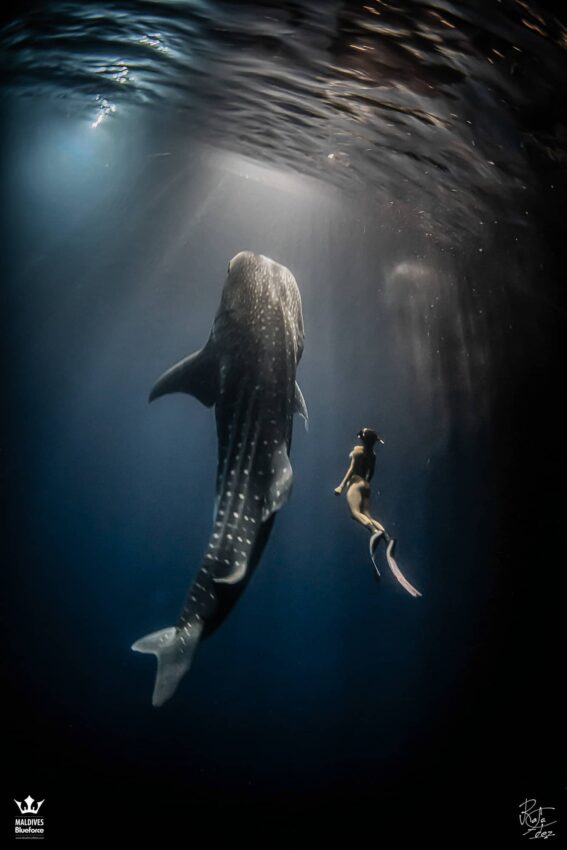
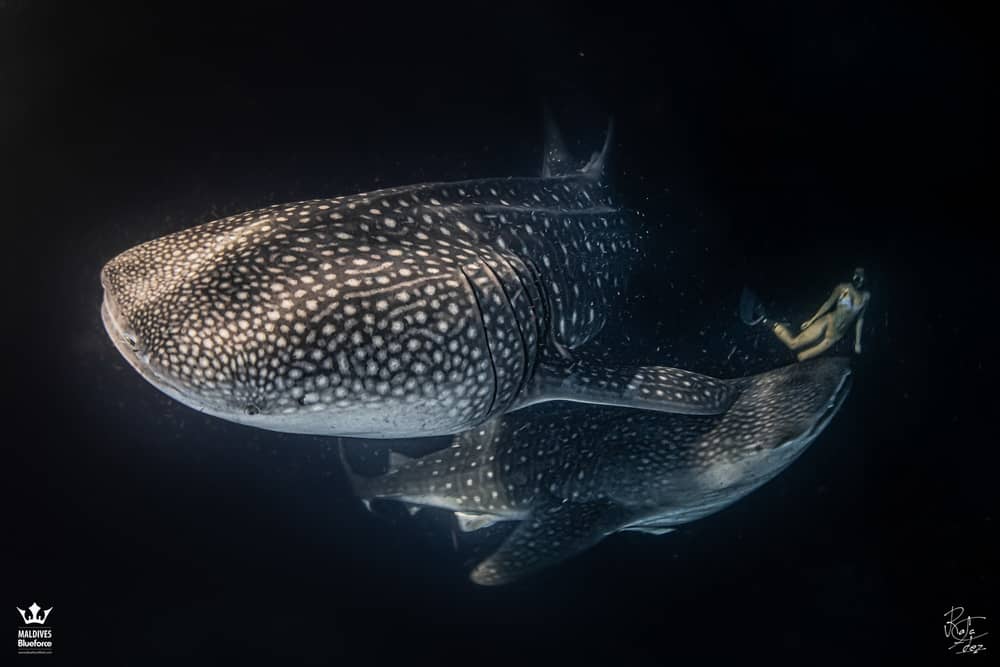
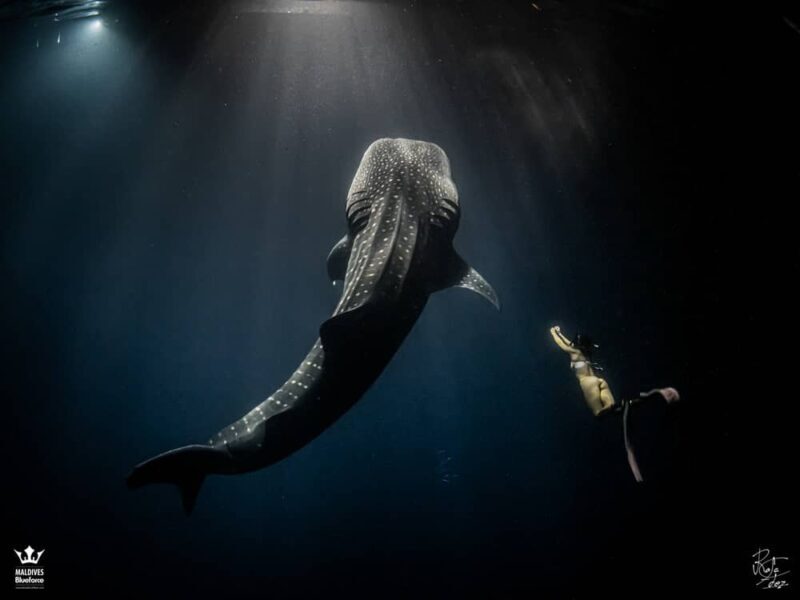
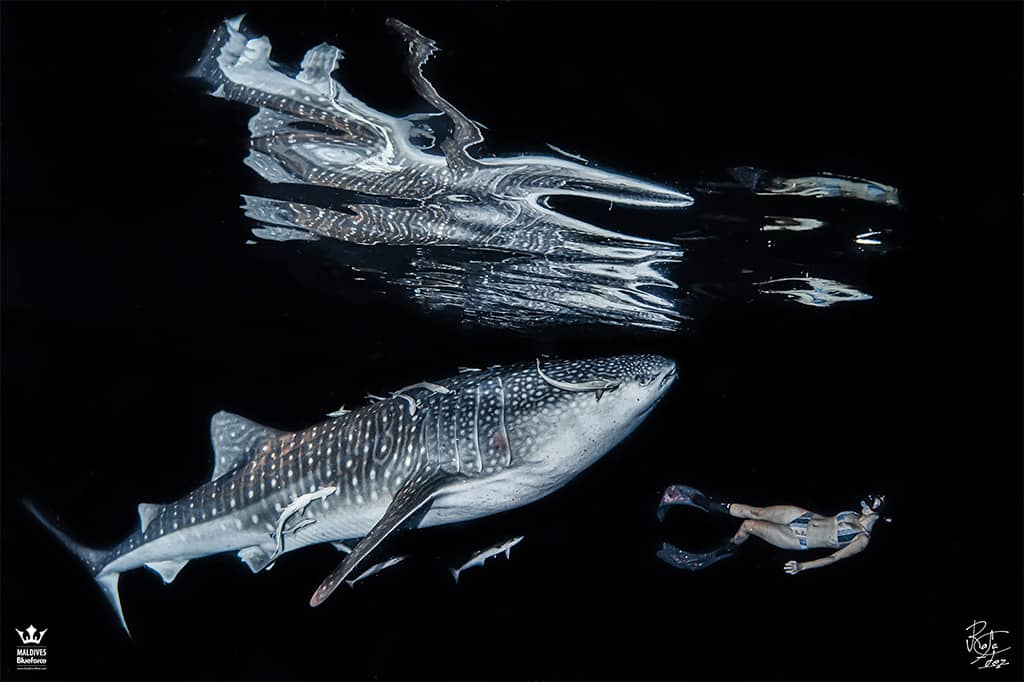
A freediver diving with a whale shark by night

Diving with sharks. The Species

Sharks are cartilaginous fish (they have a cartilage skeleton instead of bones) that are more than 400 million years old, which means that they have outlived many other life forms on Earth. There are around 400 different shark species in the world.

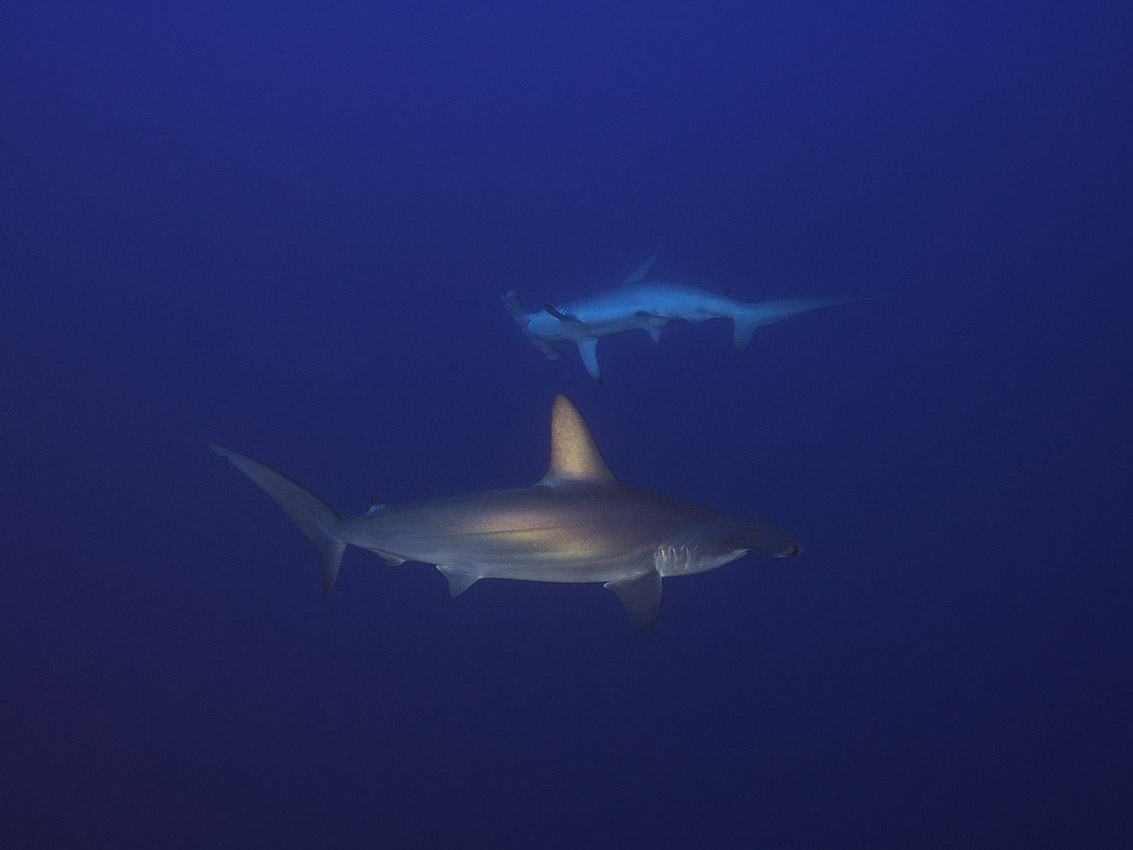
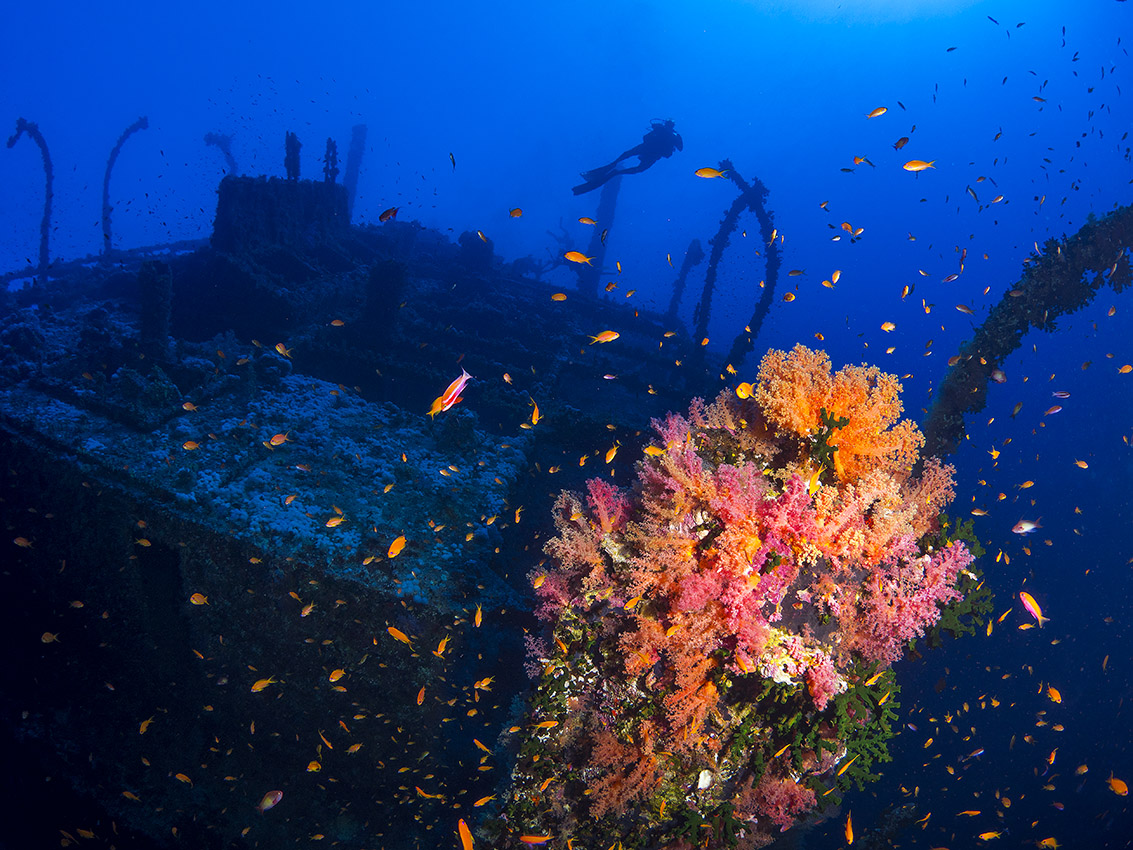
All pictures has been taken at the Maldives and the Red Sea

Is it dangerous to dive with them?

Sharks are apex predators. However, this is only true in the marine environment. Everything that does not naturally belong to the ocean doesn’t belong to shark’s menu either. That is why human is not part of the diet of any shark species. The few and unlikely accidents that do happen are due to confusion or exploratory bites made by sharks. Despite this, many more people die from other animals such as cows, horses, jellyfish, mosquitoes … and even from taking selfies! You are more likely to be struck by lightning than to be bitten by a shark!
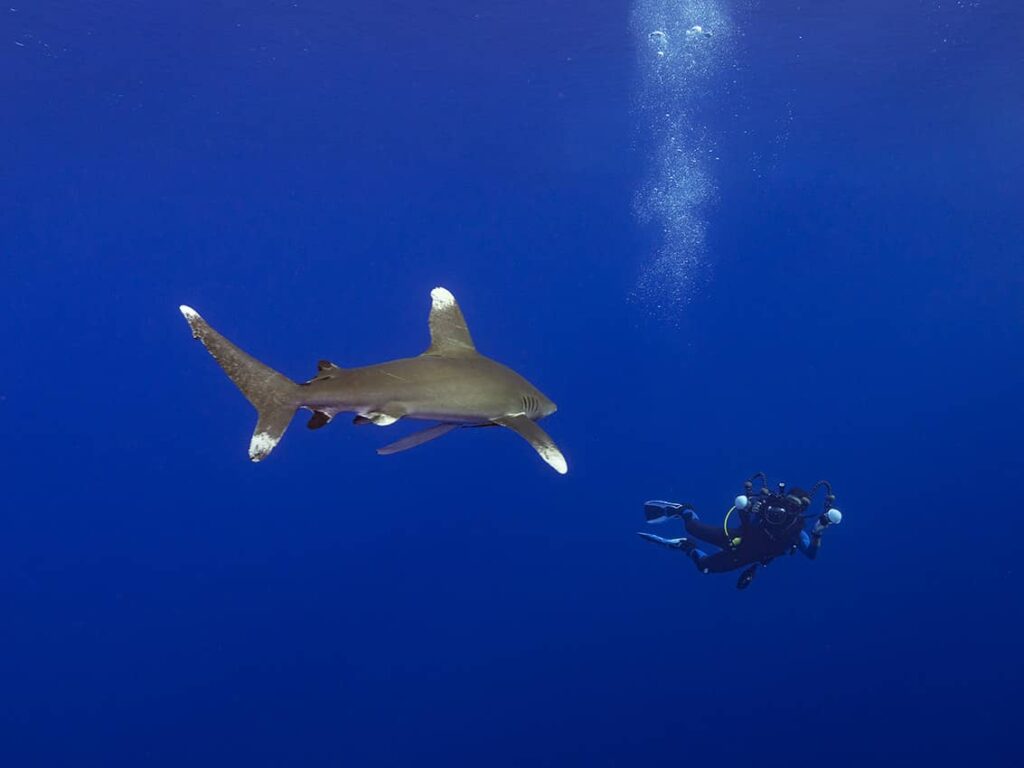
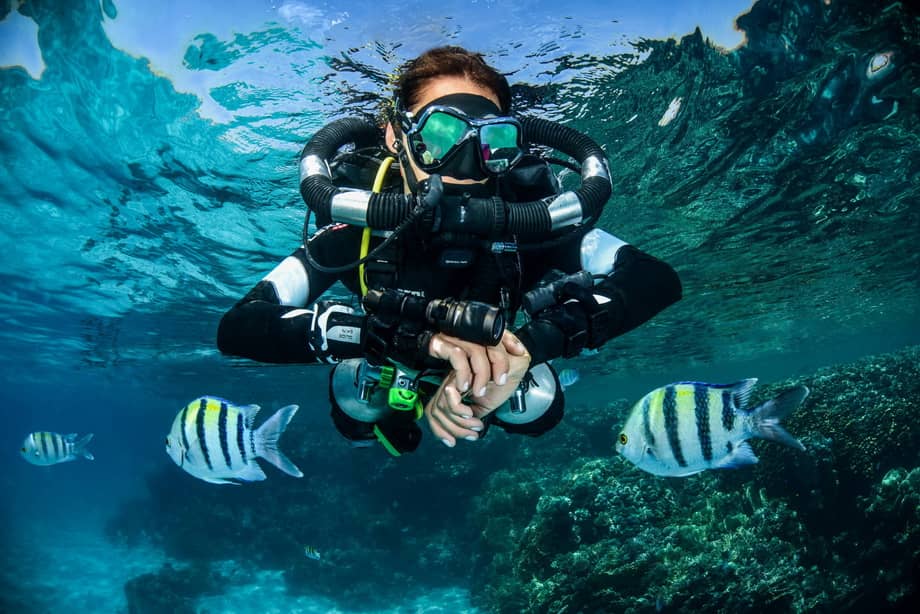
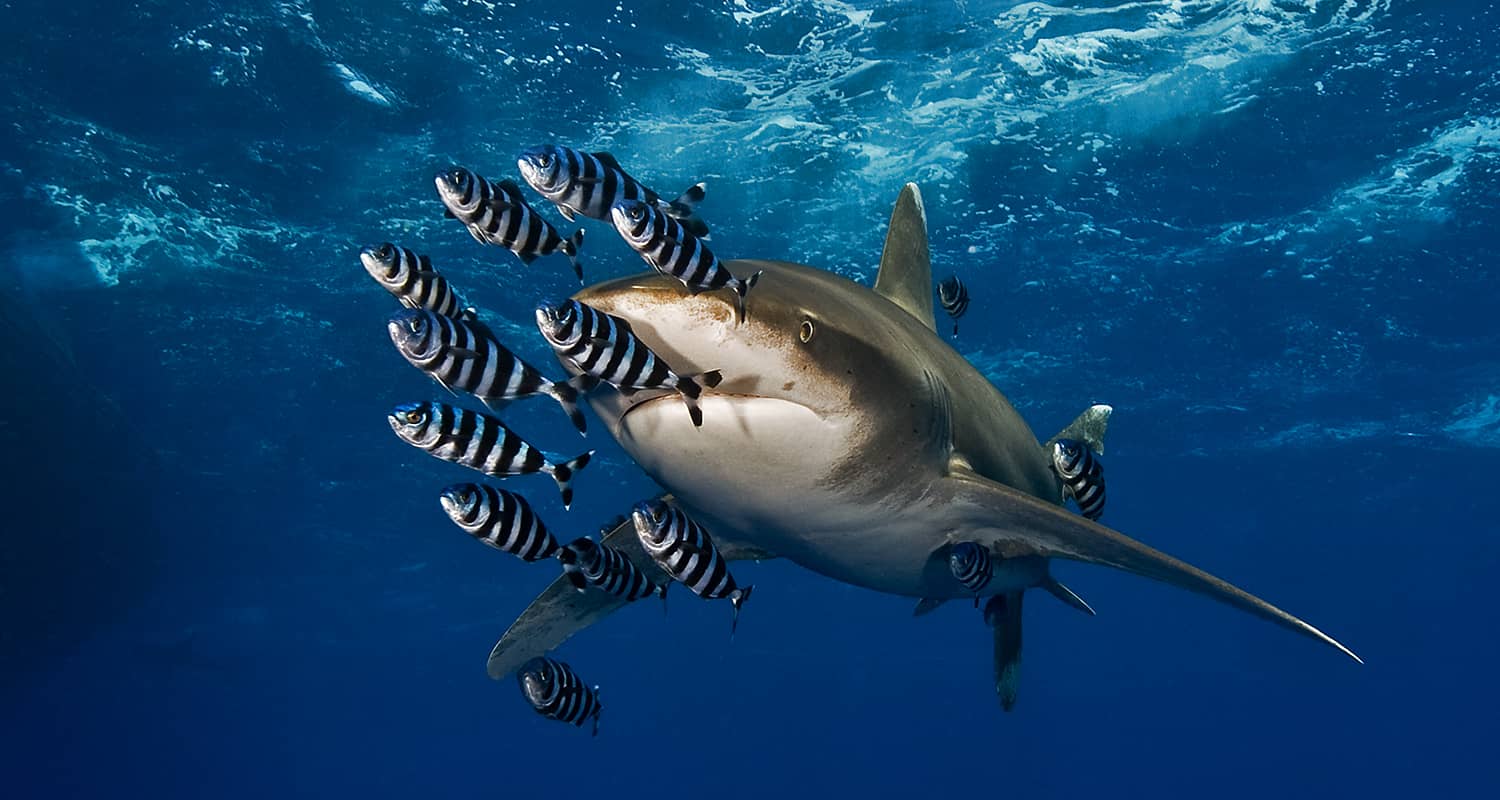
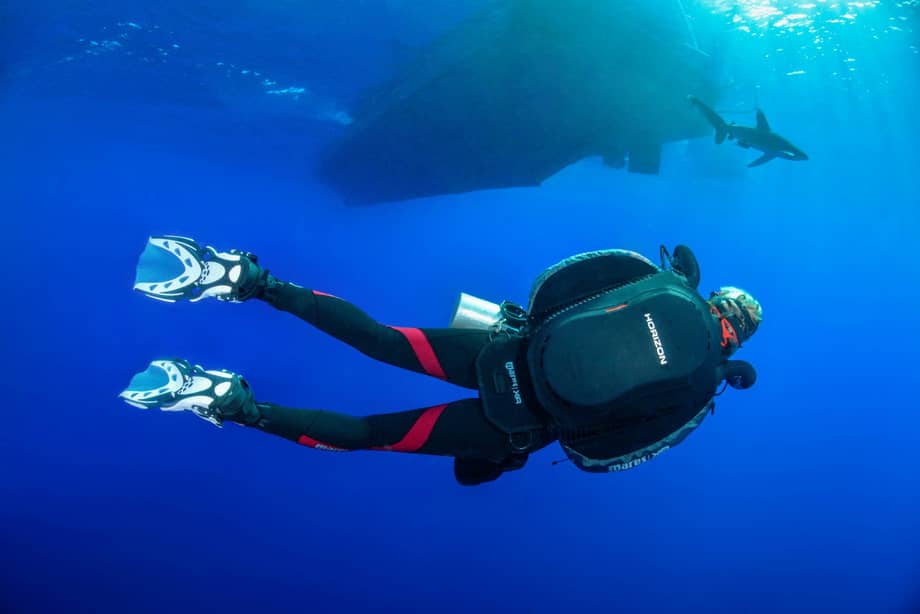
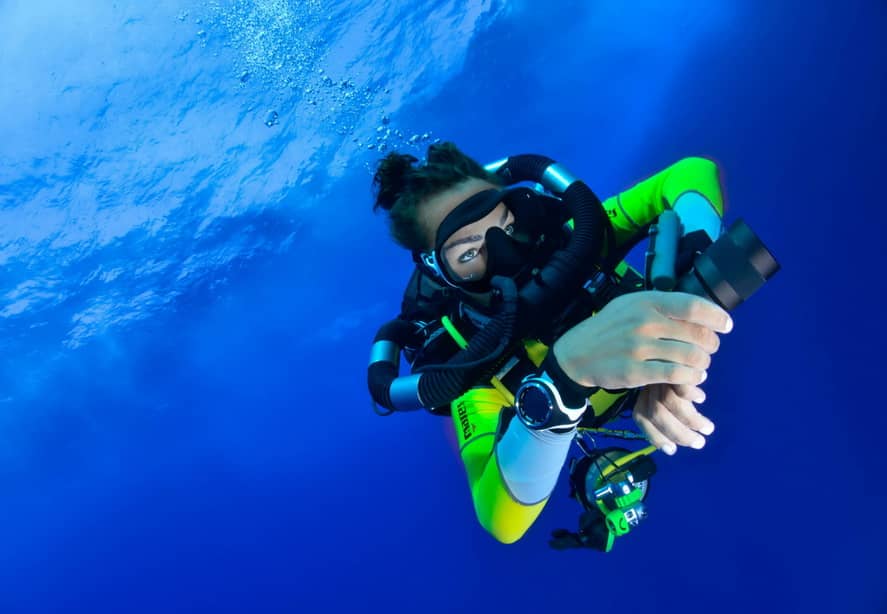
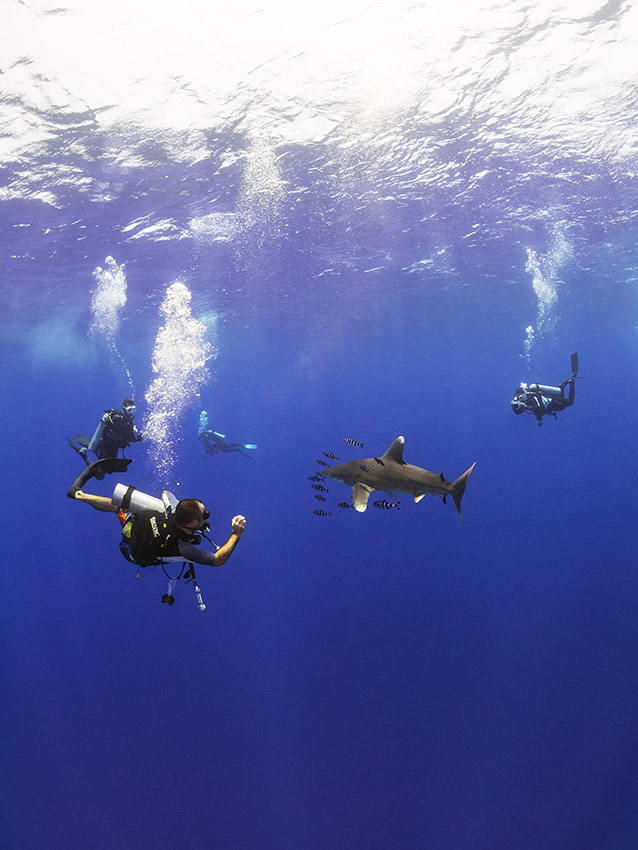
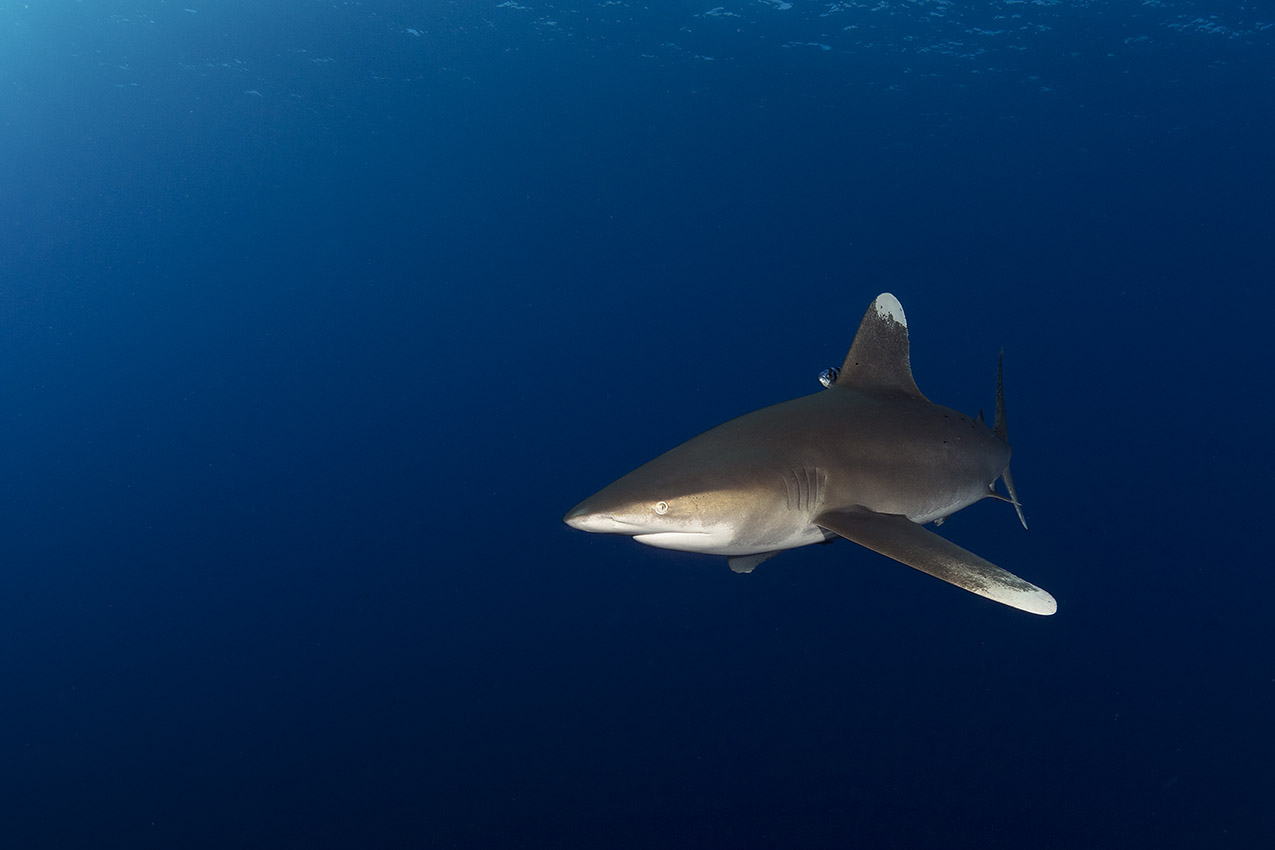
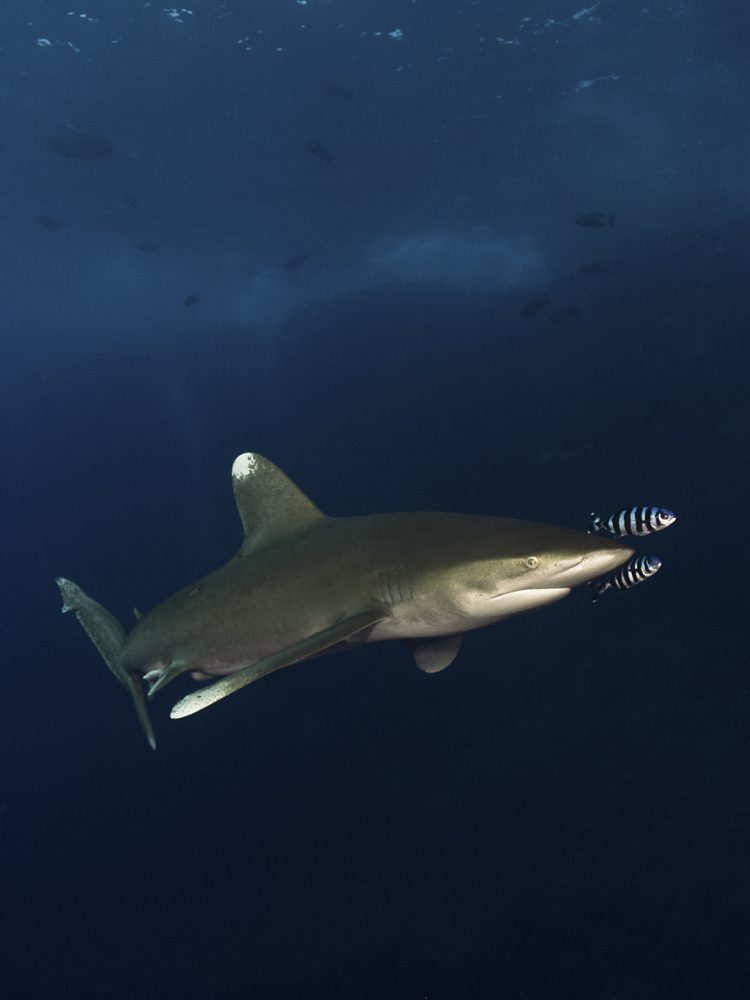
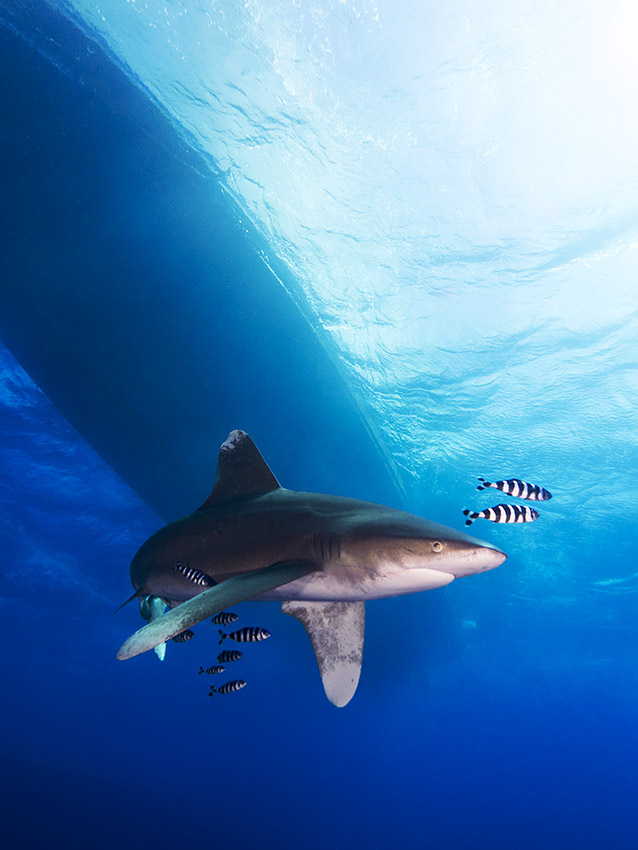
Underwater photographer diving with longimanus

The coexistence between humans and them is possible and, of course, diving with sharks too! Nobody forgets their first shark dive. It is one of the most exciting and fascinating dives in the life of a diver. It is in that first contact, when we realize that we have been mistaken until then: sharks are as fascinating as they are misunderstood. What we feel when diving with them is not fear or terror, but rather admiration and a lot of peace, along with a small and pleasant dose of adrenaline, for witnessing such a masterpiece of nature.
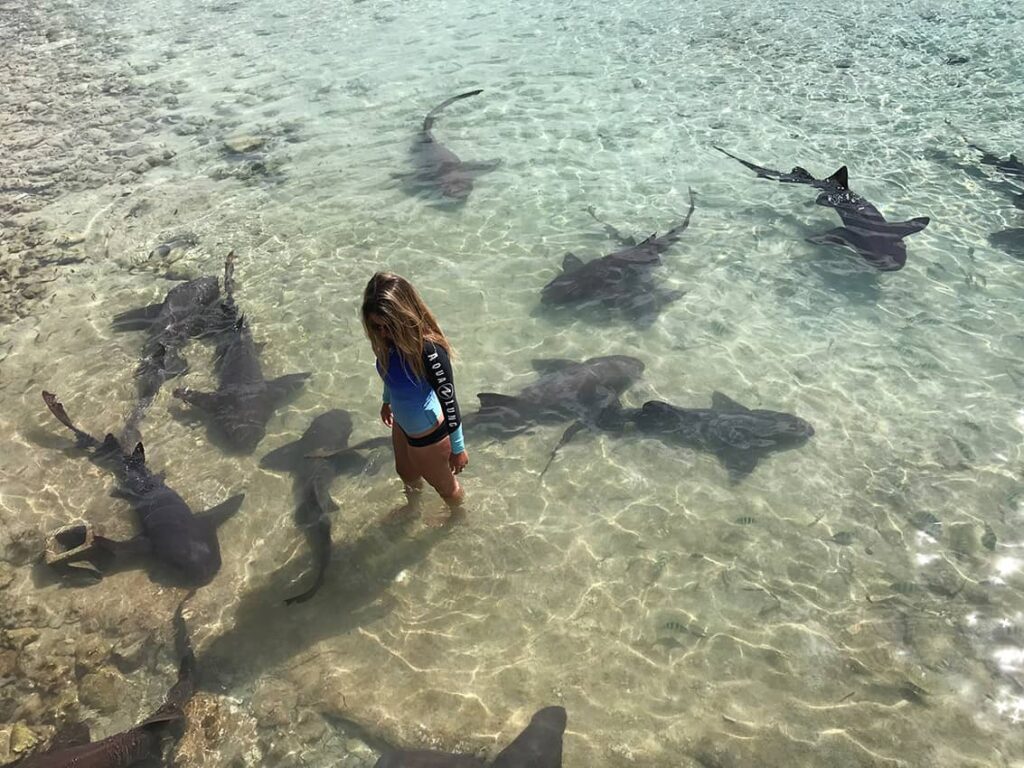
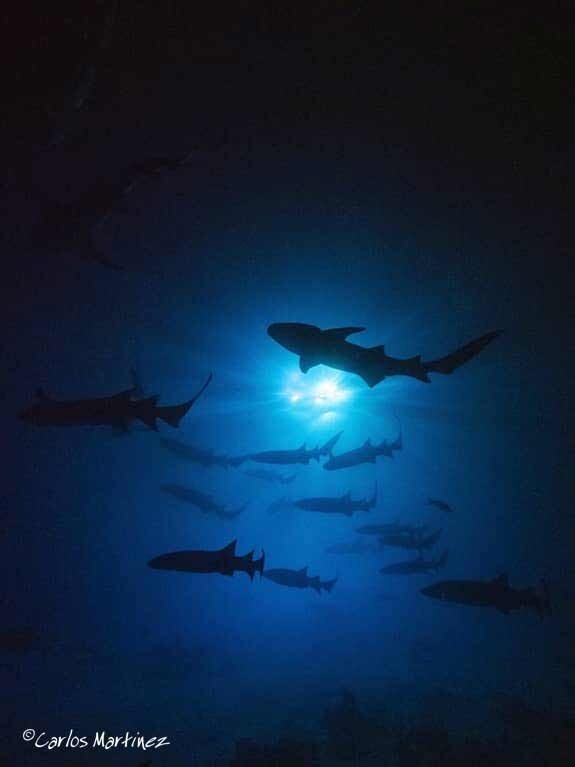
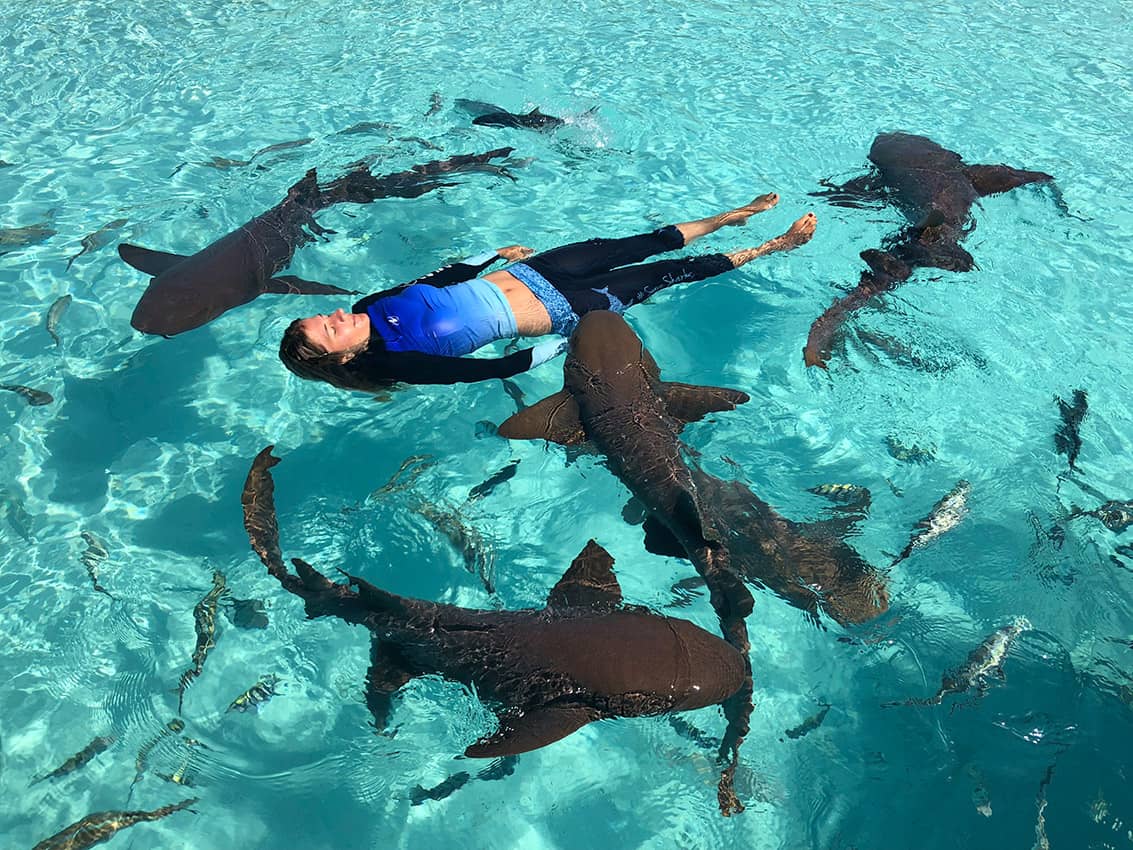
Diving with sharks is safe. Nurse sharks in shallow water
Respect, admiration and knowledge
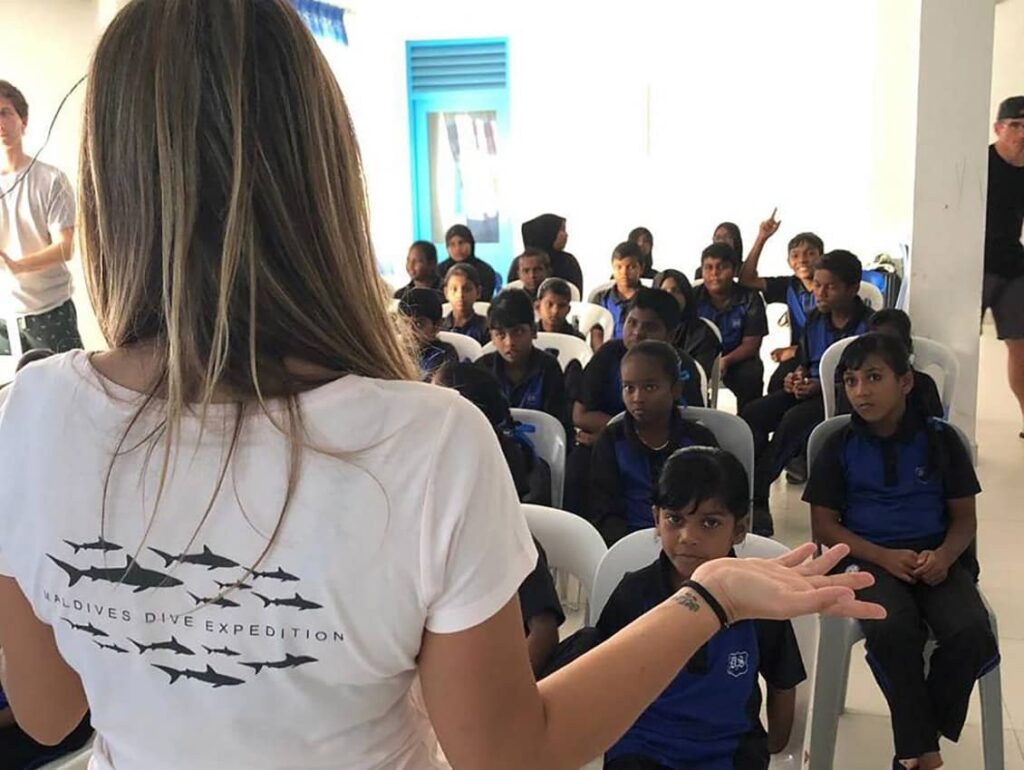
Divulgation and education the new generations about sharks
Divulgation is the key for the new generations

Shark diving destinations

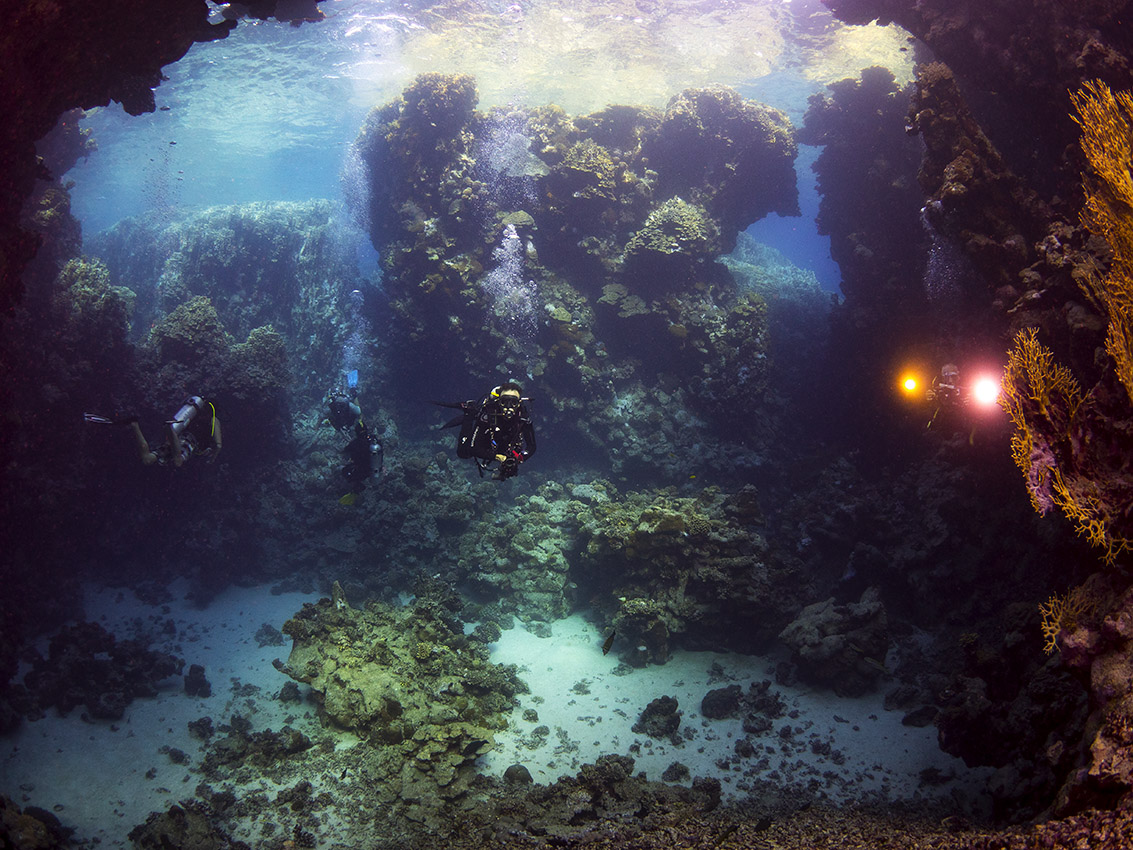
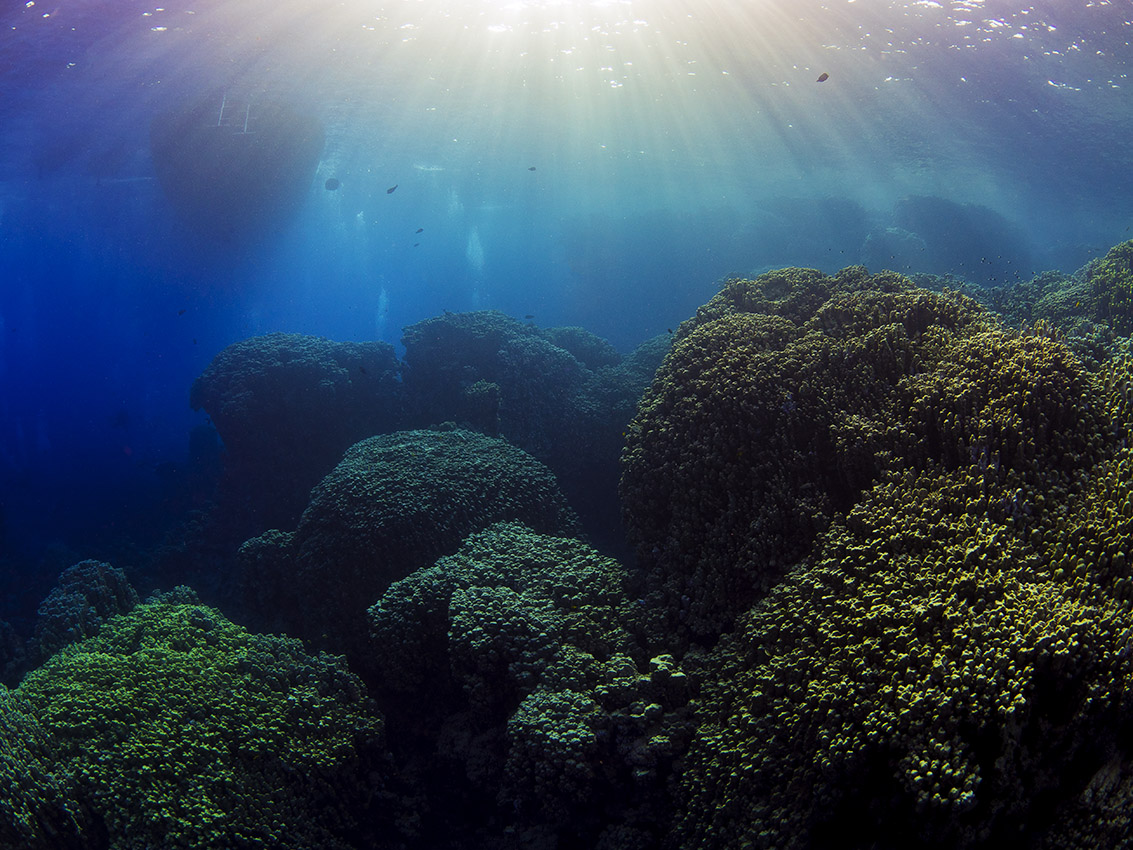
There are various destinations in the world to dive with sharks. Undoubtedly, two of the best places to enjoy these special encounters are the Maldives and the Red Sea. Both destinations are very complete, since they offer much more diversity of marine life in addition to sharks.

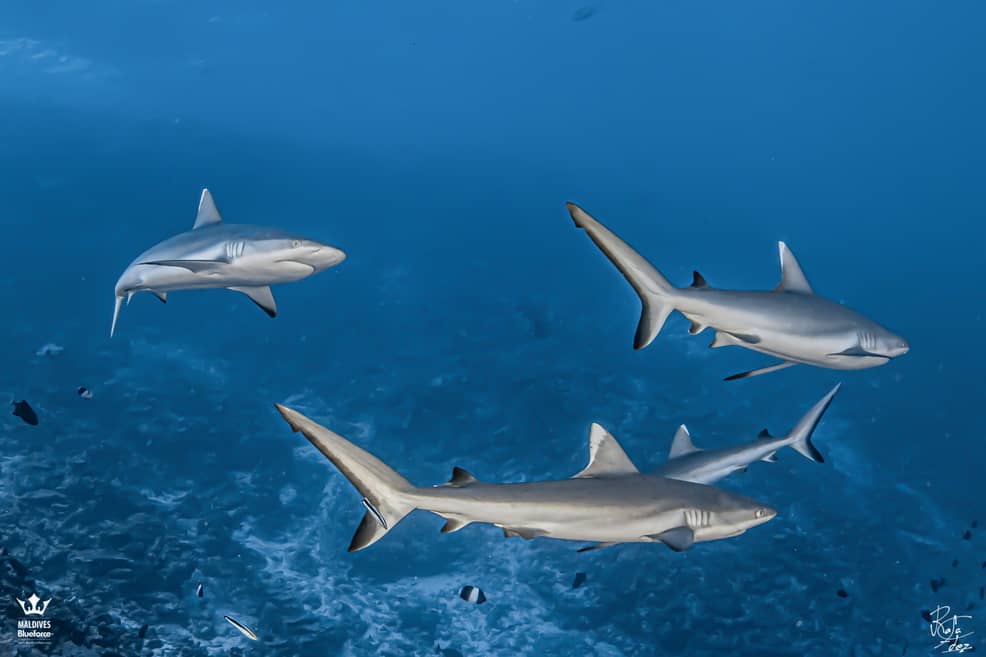
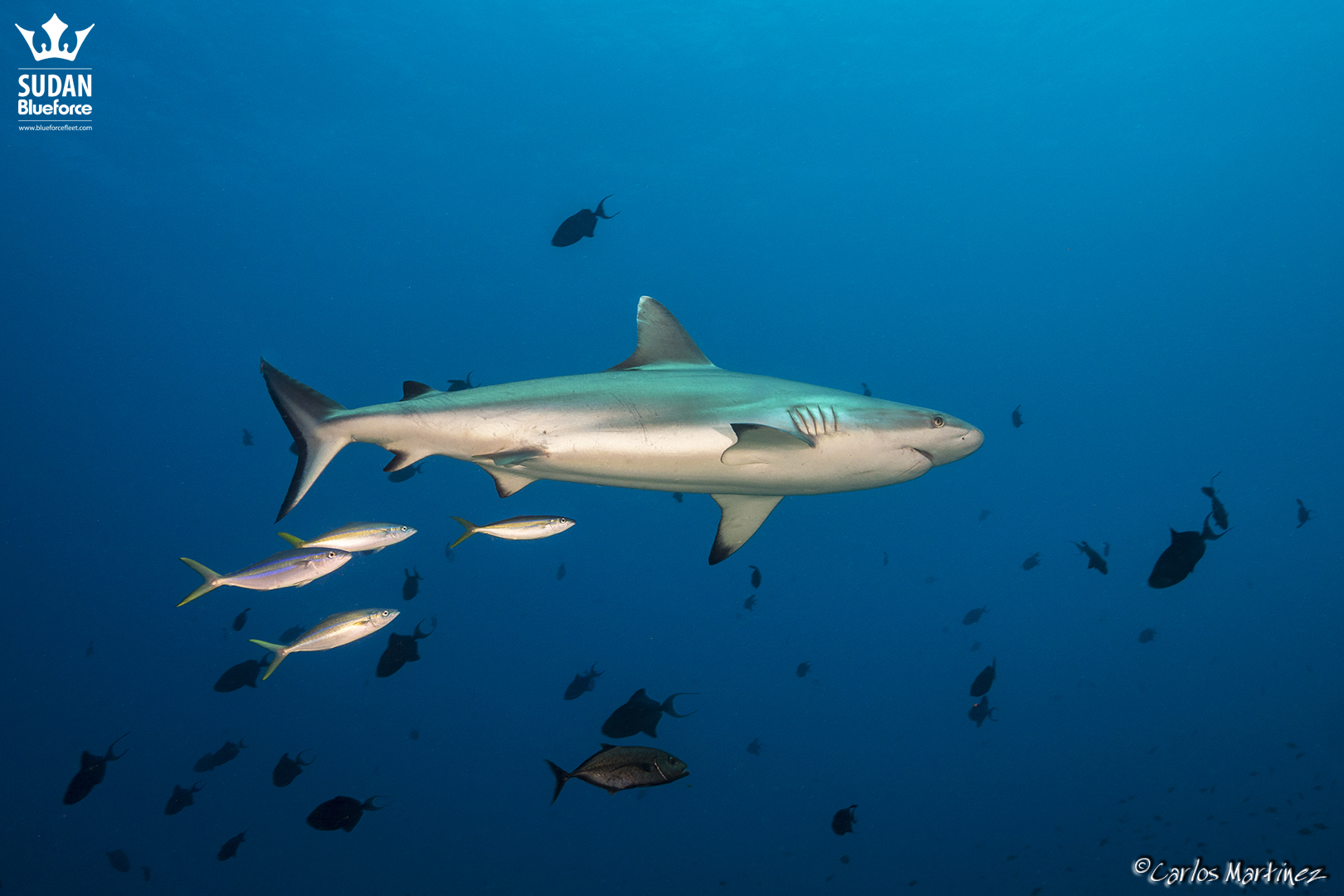
In the Maldives, it is almost impossible to finish a dive without having seen a shark! White-tipped, black-tipped, gray, leopard, whale sharks… these are just some of the species that we can find diving around the islands. And if what we want is a trip focused on sharks, the South route will give us lots of them!

Last February, on one of the trips on the Blue Force One, we had a week full of shark surprises: a night with 11 whale sharks, several dives in channels full of reef sharks, and an exceptional day in Alimatha, where the nurse sharks formed a huge group, with hundreds of them flying over our heads!

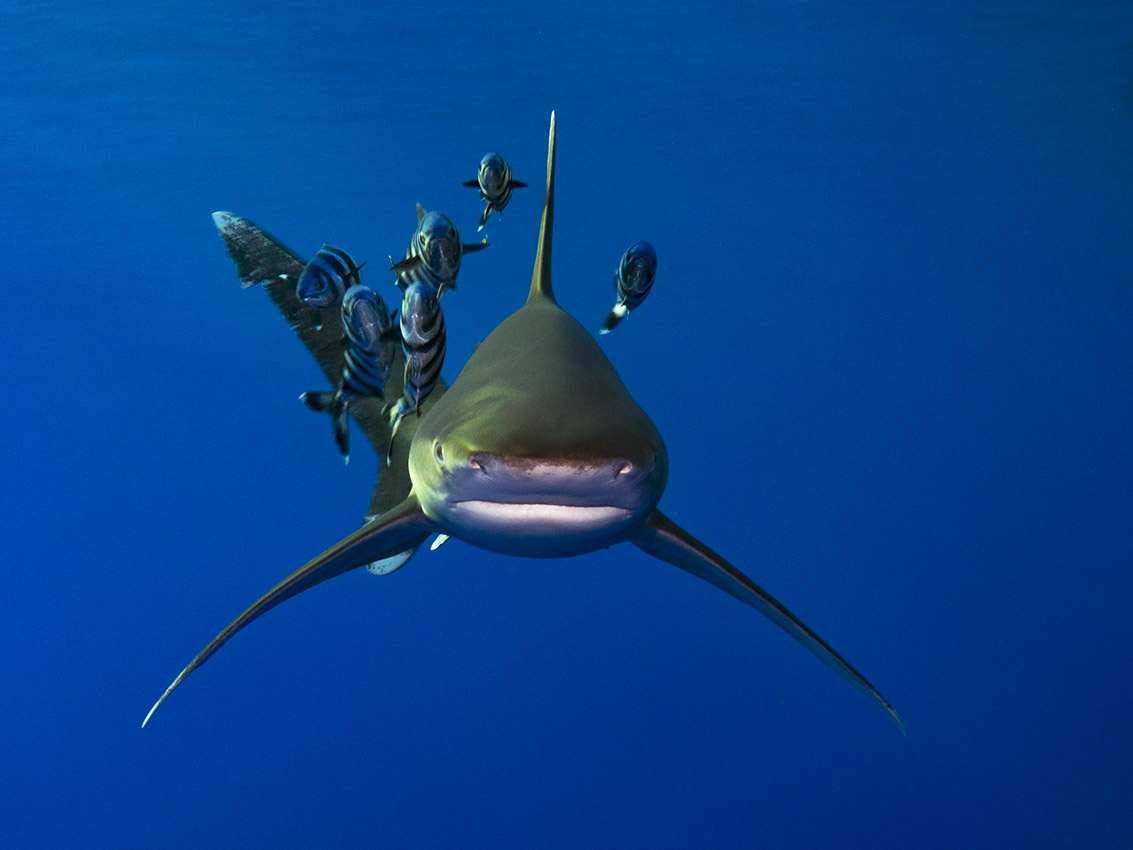
The Red Sea is also home to a great diversity of sharks, being the southern routes like BDE or EBS the ones that offer more possibilities to dive with them. The big star, in this case, is the well-known oceanic whitetip shark, also called Longimanus. The South of the Egyptian Red Sea and Sudan are, without a doubt, the best place in the world to dive with this peculiar species. It is a very active and curious shark, that will bring unforgettable encounters in the most crystalline and blue water we can imagine!

Recommendations for diving with sharks

To be comfortable when diving with sharks, it is recommended to have good control of our underwater skills, in order to dedicate ourselves to enjoying the encounter. As with any predator, we have to show respect and delicacy in the interaction. Also, it is important to respect the diving partner system and the union of the entire group, in order to avoid accidents. Keeping eye contact with the most active sharks is also a good recommendation to avoid unexpected approaches of species such as the longimanus shark. In general, any certified diver can enjoy shark diving. Destinations like the Maldives and the Red Sea offer us options for all levels and requirements.

If you have been lucky to dive with these wonderful animals, for sure you will have fallen in love with them for life, and you will want to see them again and again.

Have you already lived the experience? Come dive with us among sharks!
Manta Rays. Dancers of the Sea

Manta Rays
Dancers of the Sea

by Gádor Muntaner

Who said there were no dances under the sea?

When we cross the surface of the Ocean, we enter a new world, with its own rules, its own rhythms, but very similar to our terrestrial world! Reefs are large underwater cities, around which a life system of thousands of living beings is created, each one with its work and its function. And like in every city … there are also night shows! And one of the most impressive, it is without a doubt the majestic dance of the Manta Rays!

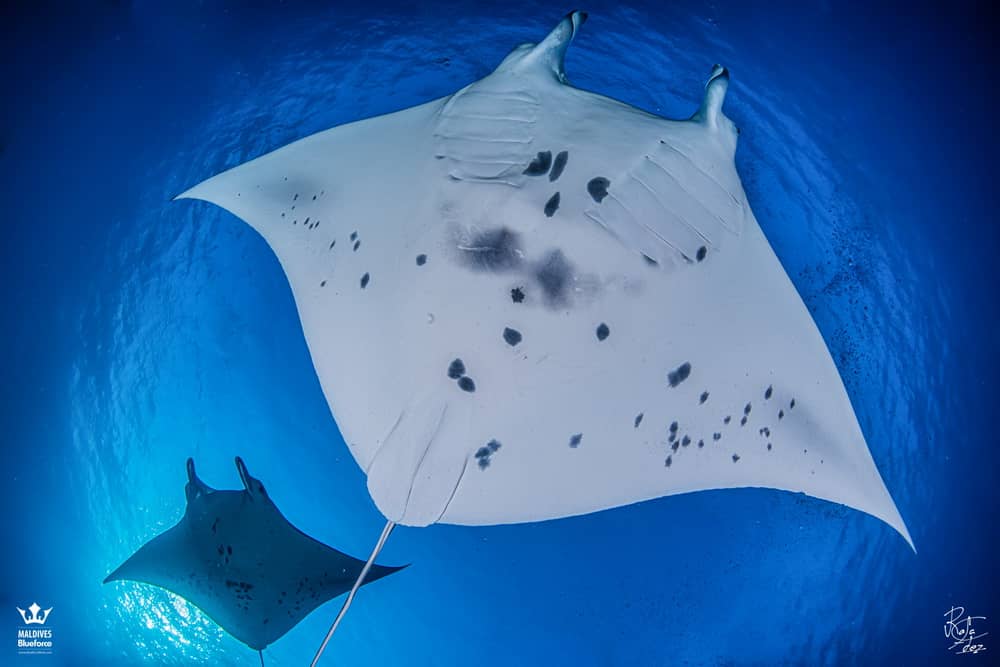
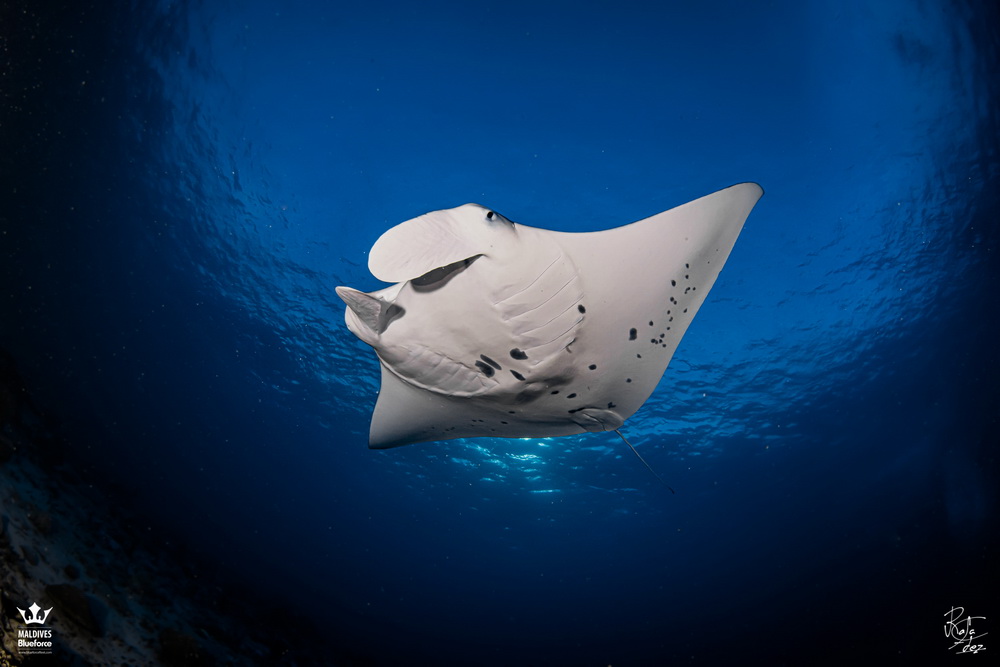
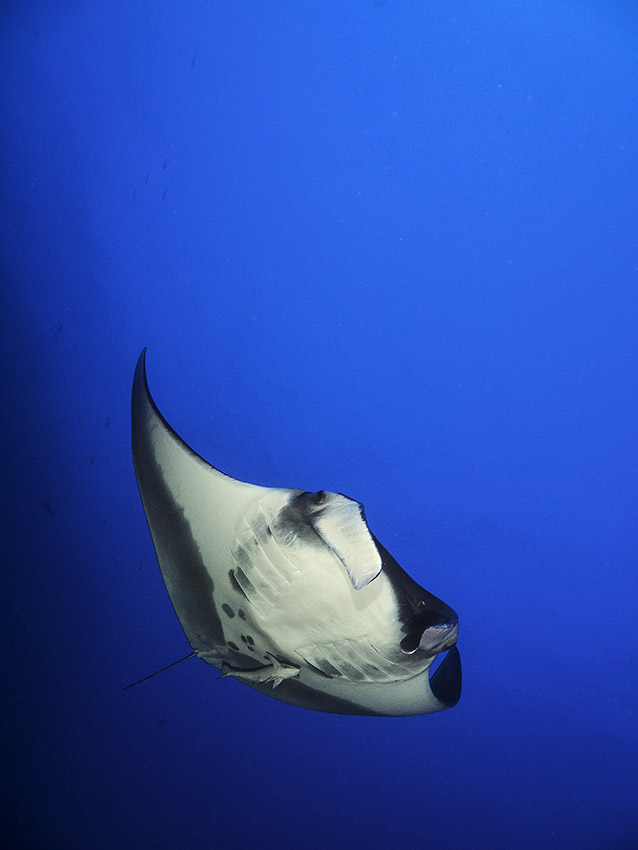
Manta Rays swimming

Are manta rays dangerous?

The manta rays (Mobula Alfredi) is one of the largest and most iconic marine species in the Maldives. Like sharks, they belong to the group of cartilaginous fish or Elasmobranchs, but they are not dangerous. The manta rays size can be huge, they can measure up to 4.5m in wingspan, weigh 700 kg, and live 40 years! Because they frequent relatively shallow waters along the coastal reefs of the continents and oceanic islands, encounters with this species are more frequent than with its cousins, the oceanic manta (Mobula birostris).

Can manta rays sting?

Manta rays have long tails like other rays. However, mantas do not have a barb. That means that, as impressive as they seem to us, they cannot sting us!

You may wonder … What protection strategy do they use then? Mantas use their size and speed to escape predators. Although, to tell the truth, they have very few!

Where do mantas rays live?

Manta Rays are widely distributed throughout the tropical and subtropical regions of the Indian Ocean and western Pacific. However, they are also threatened by targeted fisheries driven by demand for their gills. Therefore, divers, promoting diving ecotourism with these wonderful animals, we help their conservation! And in return, they help us make our dreams come true by being part of the magical night dance that they star in.

Maldives Manta Expedition - Hanifaru bay - Mantas feeding

How much does a manta ray weigh? Feeding behaviors.

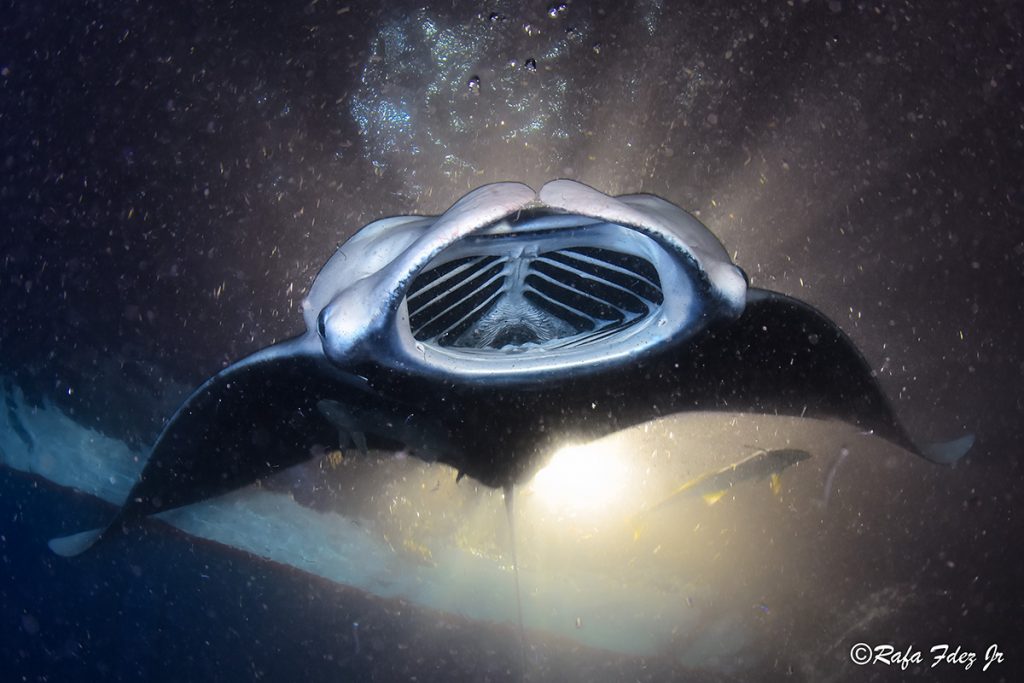
At nightfall, the lights on the stern of our boat, the Maldives Blue Force One, attract and concentrate the zooplankton, which is the food of our hosts, the Manta rays. That is why, in a matter of minutes, they can get to feed a few meters from us. As soon as the first manta appears, the Blue Force One crew has everything ready so that we can dive into the spectacle. The dive is easy; It consists only of staying still a few meters deep, and enjoy!

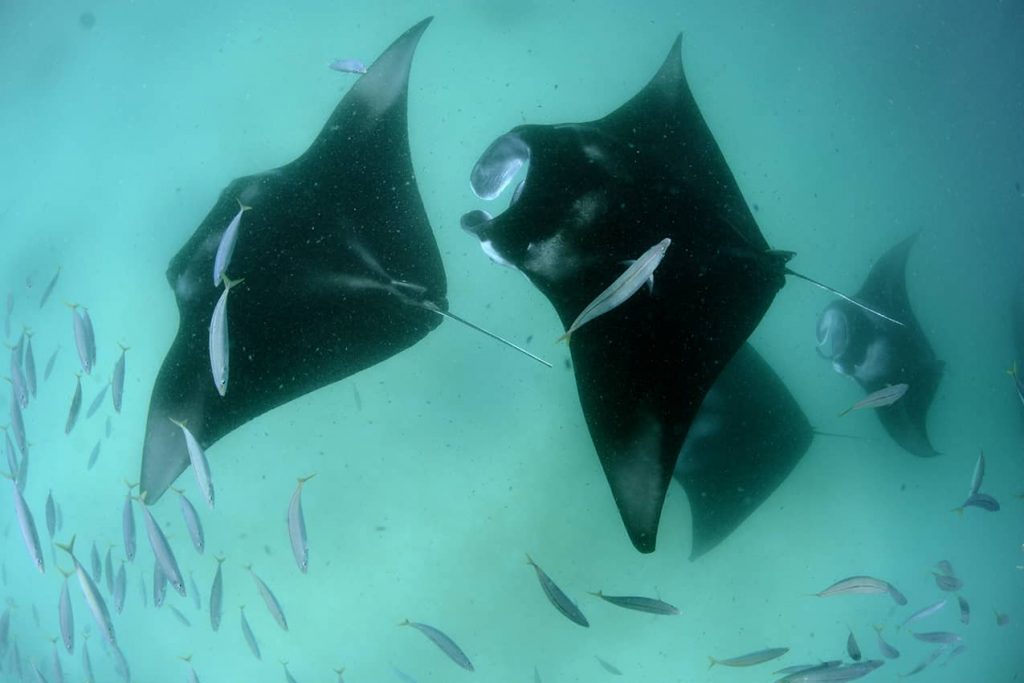
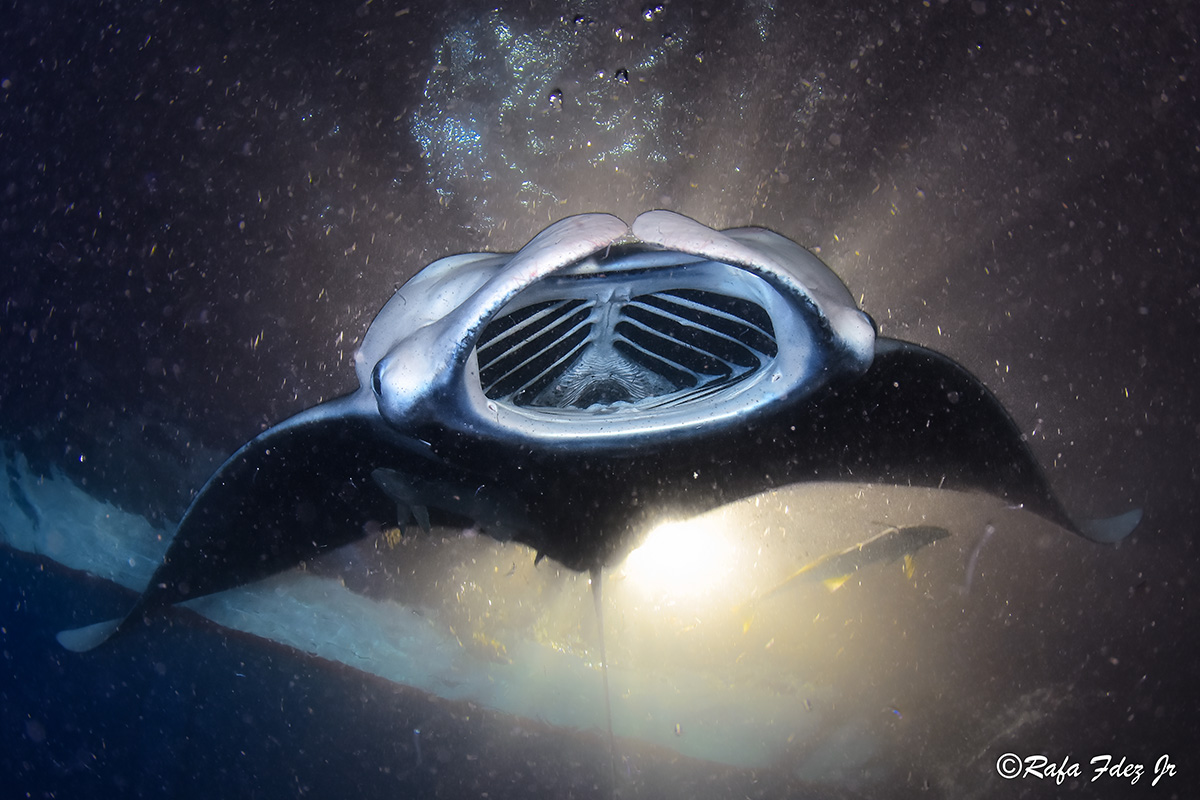
It is such a captivating dance that it does not need more music than the bubbling of our air tanks! And it allows us to contemplate every detail, very closely (and when we say VERY closely… we mean having the Manta rays a few inches from our eyes!). When manta rays open their mouths to feed, they unfold those horn-shaped projections, called cephalic lobes, to channel plankton-rich water through their specially adapted gills. The body and mouth develop into a giant black hole, with the pectoral fins serving as wings that propel the manta rays through the water.
To optimize energy because the big manta size, they have developed many variations in their swimming positions, sometimes including complex group strategies, which require coordination between several individuals to improve feeding efficiency.

To date, expert scientists have described a total of 8 different eating strategies!
Whatever the causes that rule the habits and lives of these mysterious animals, it is a real privilege to be able to enjoy their majestic presence and observe them so closely. Few places in the world allow us to enjoy such close encounters in the best conditions. Those moments will remain in our brain forever and will be the object of our dreams … at least until we return to the Maldives!
Join us to make your dream come true!

Night dive with manta rays. Something unique in the world

It is a real privilege to be able to witness such a unique event that for many it will become one of the most special dives of our lives.

Every week aboard the Maldives Blue Force One, on the Maldives Central Atolls route, we try to turn this dream for many divers into reality.

Do you dare to live it with us? Reserve now!

Swim with Mantas logo

We are happy to be a “Manta Trust Responsible Tourism Operator” working with the Manta Trust Organization with their program “Swim with Mantas

Would you like to be there?
Visit our Maldives web site
available

You can share it !!

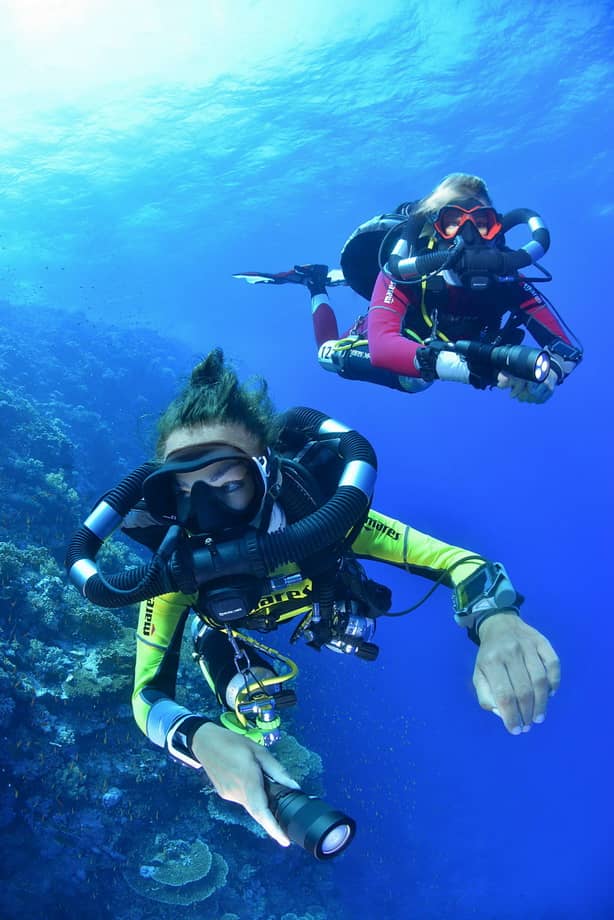
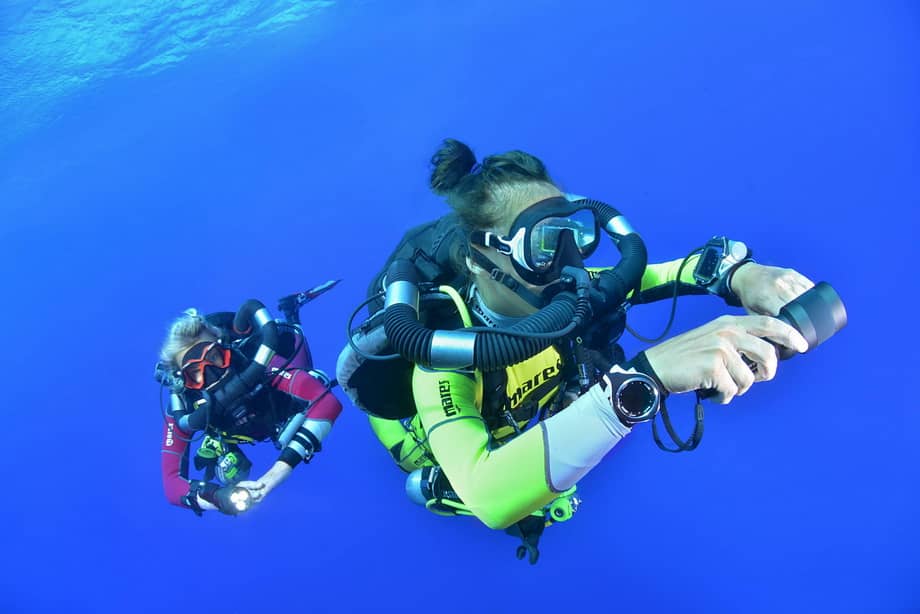
mares horizon rebreather-diver-red-sea

Test Week – Mares HORIZON onboard Maldives Blue Force One

Mares HORIZON test week

Last places, 22 to 29 of May, 2021!

A unique special cruise to test the Mares HORIZON rebreather 

Be the first diving in Maldives with this awesome equipment

Don’t loose your chance to book a place!

Onboard MALDIVES BLUE FORCE ONE (considered as one of the best diving Liveaboard in the world) we propose you the CENTRAL ATOLLS ROUTE from May 22nd to 29th, 2021.

This is the best well-known route in the Maldives but at the same time the one that offers the best and most varied dives. We do this route almost all year long (from August to May) week after week. Thanks to that, we know every detail, atoll, passage, thilas, and where and when it is convenient to approach every dive zone.

It is a 7-night route including 6-dive days on board with embarkation and disembarkation at Male Airport (18 dives with 2-night dives). 

The habitual itinerary goes by North and South Male Atolls, Vaavu, and Ari.

The aim is to find pelagic, grey sharks, white-tip sharks, black-tip sharks, and in some cases hammerheads and dolphins, eagle rays, and schools of colorful fishes, morays, tuna fish, groupers, and turtles.  

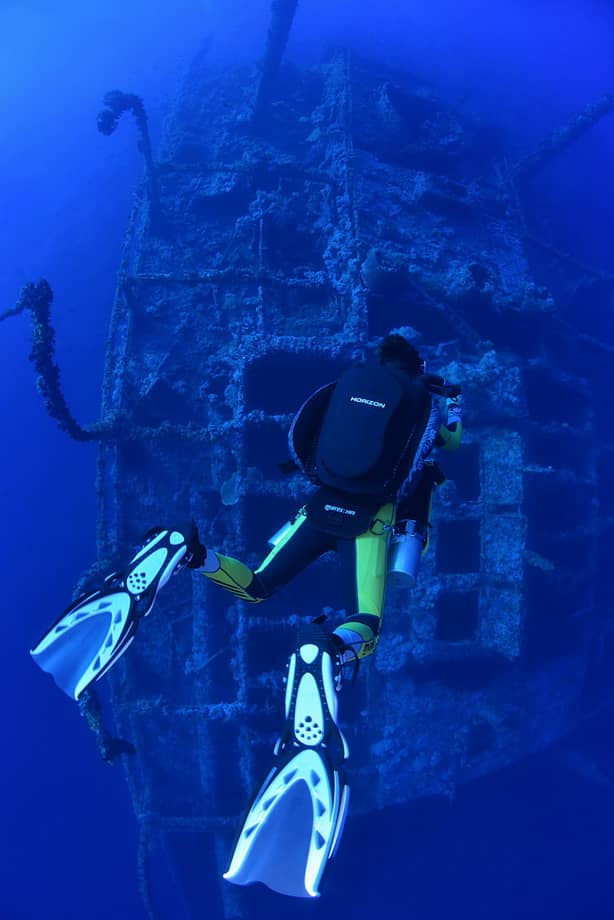
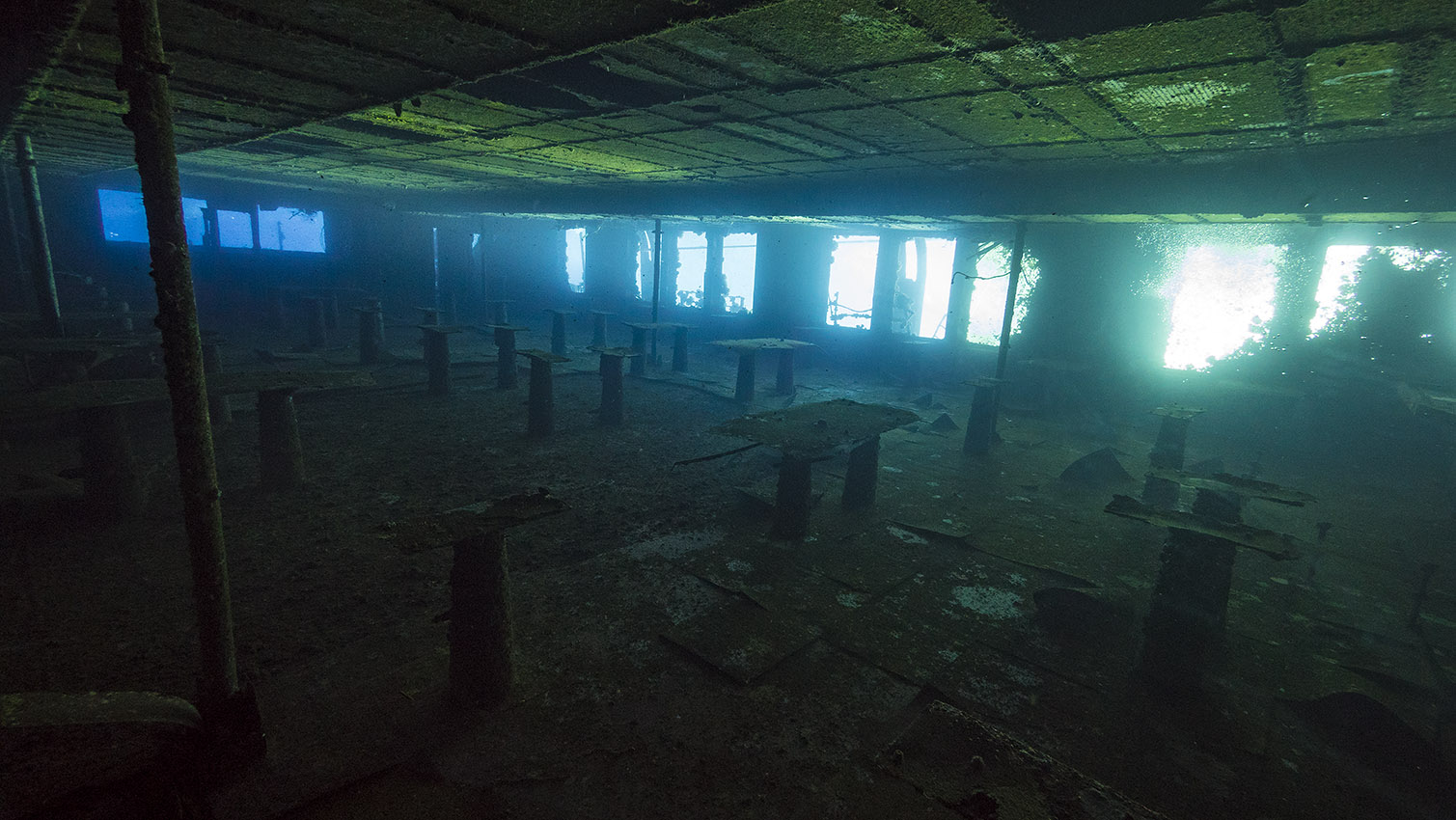
Drifting dive in water channels, thilas (submerged coral “seamounts”), cleaning stations where big mantas gather to deworm themselves, will search for the whale shark (and if we are lucky will snorkel and even dive with the biggest fish). We will dive into a full-of-life wreck. Besides, there will be two spectacular night dives, one with mantas and the other with dozens of nurse sharks.

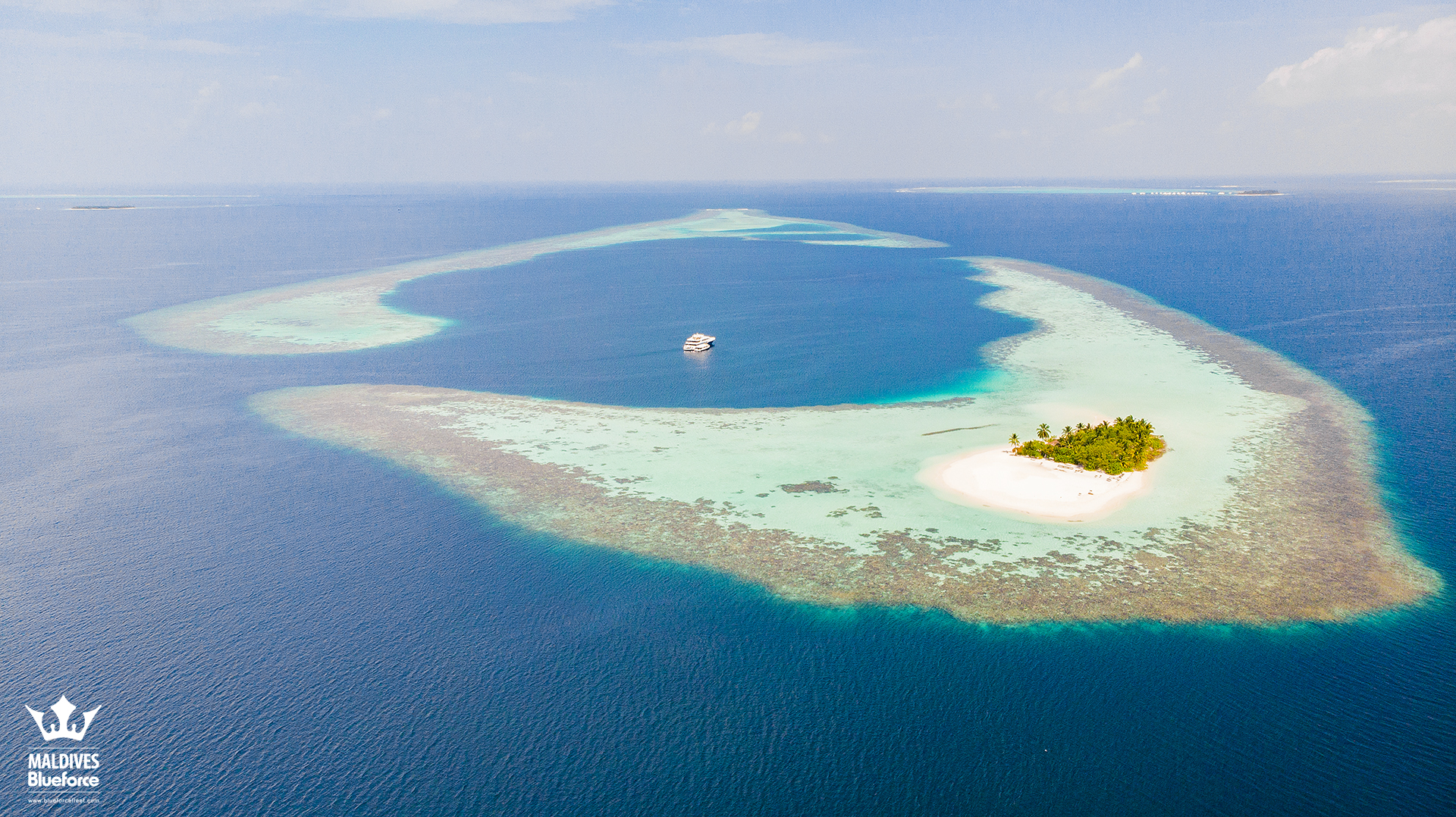
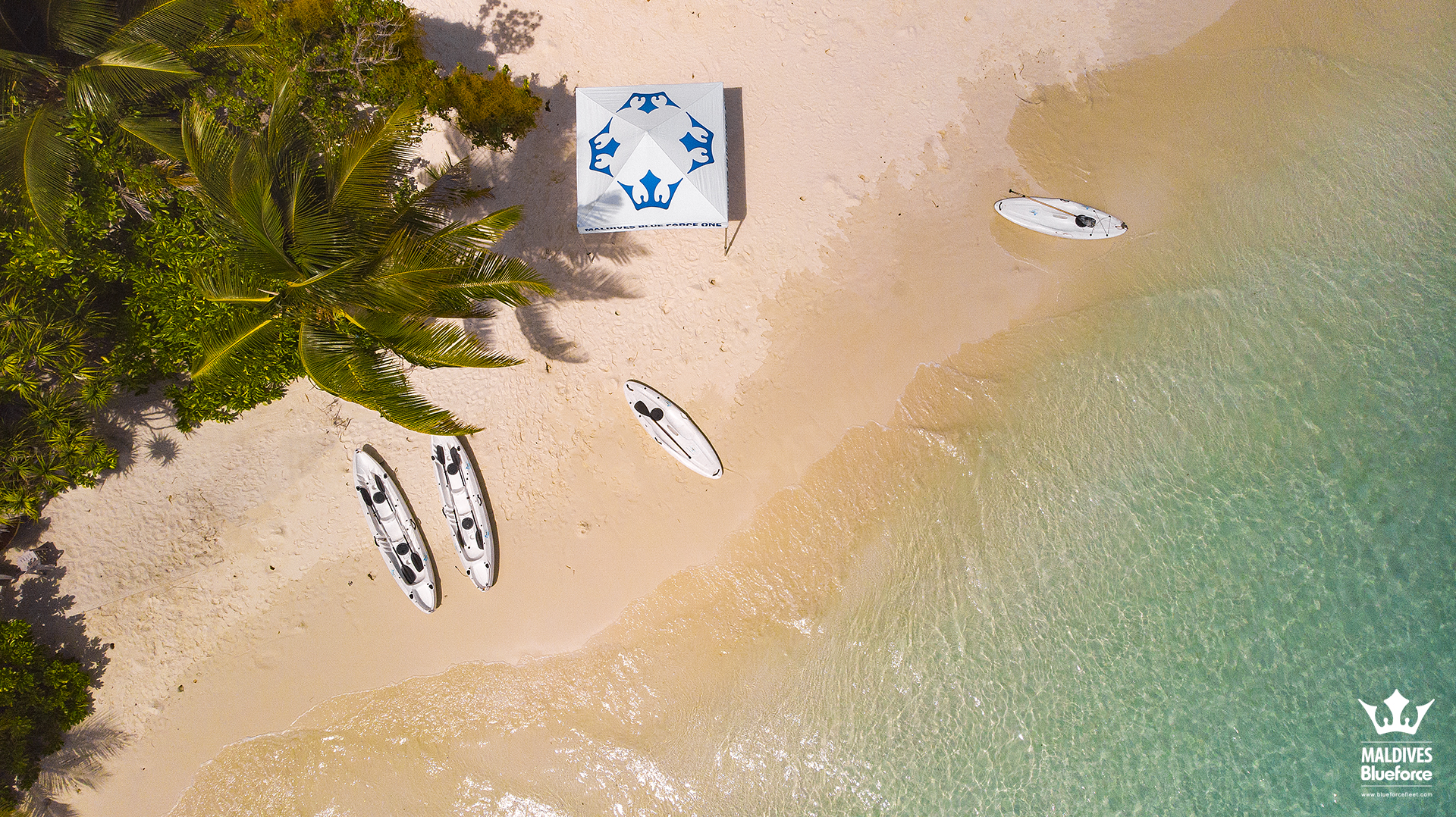
Desert islands are also visited to discover and enjoy a bit more of the country and if the weather allows doing so we will even BBQ on a desert beach.

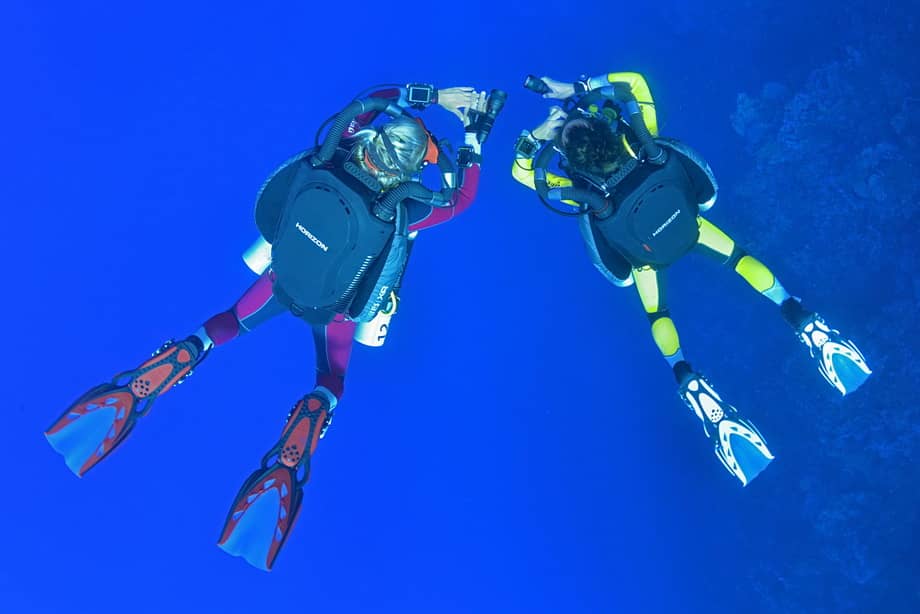
During this week, we will be able to discover and test the new semi-closed rebreather HORIZON SCR from MARES.

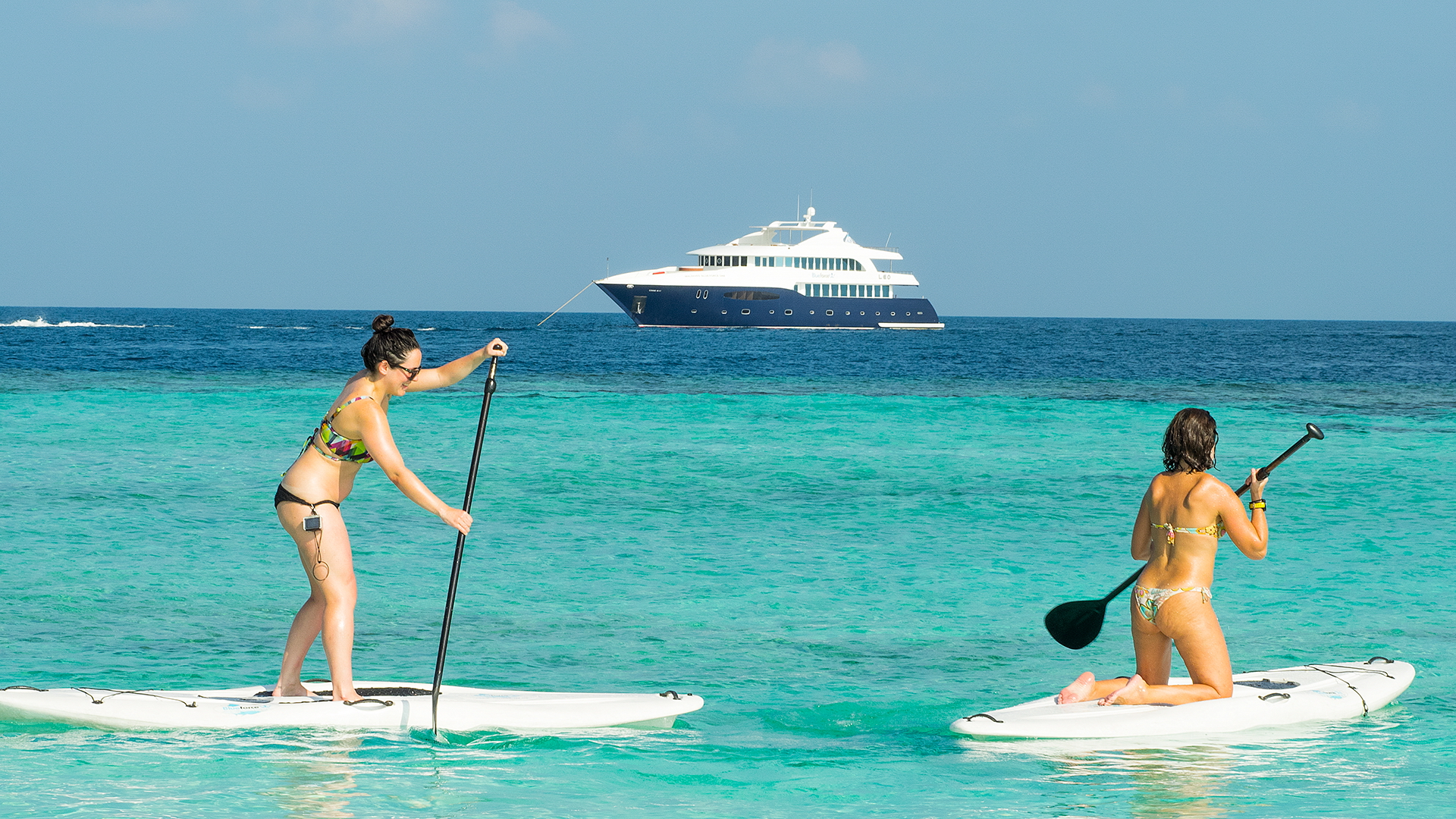
Although if you are longing to relax, you can enjoy the solarium and 2 jacuzzies on board, kayak, Paddle SUP…

All this will make this cruise an excellent and unforgettable Great Dive Travel.

Special and unique test week !!

Unlimit your diving Experience !!

Do you like to be there?
Visit our Maldives web site
available

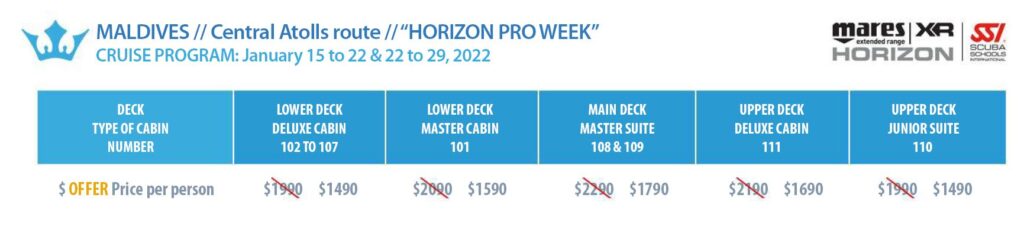
Offers & Schedule

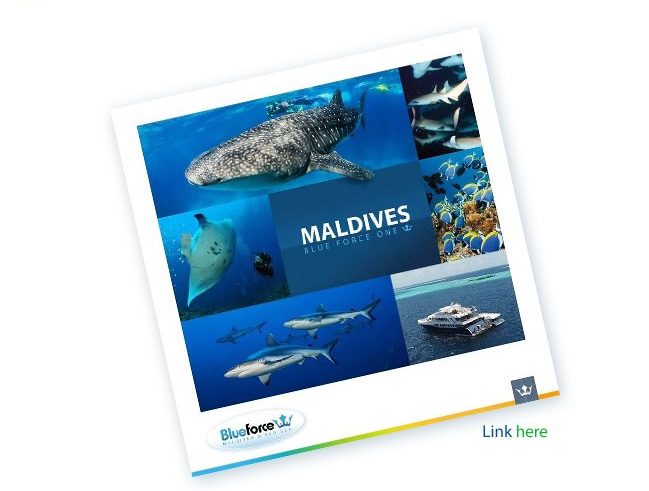
Brochure

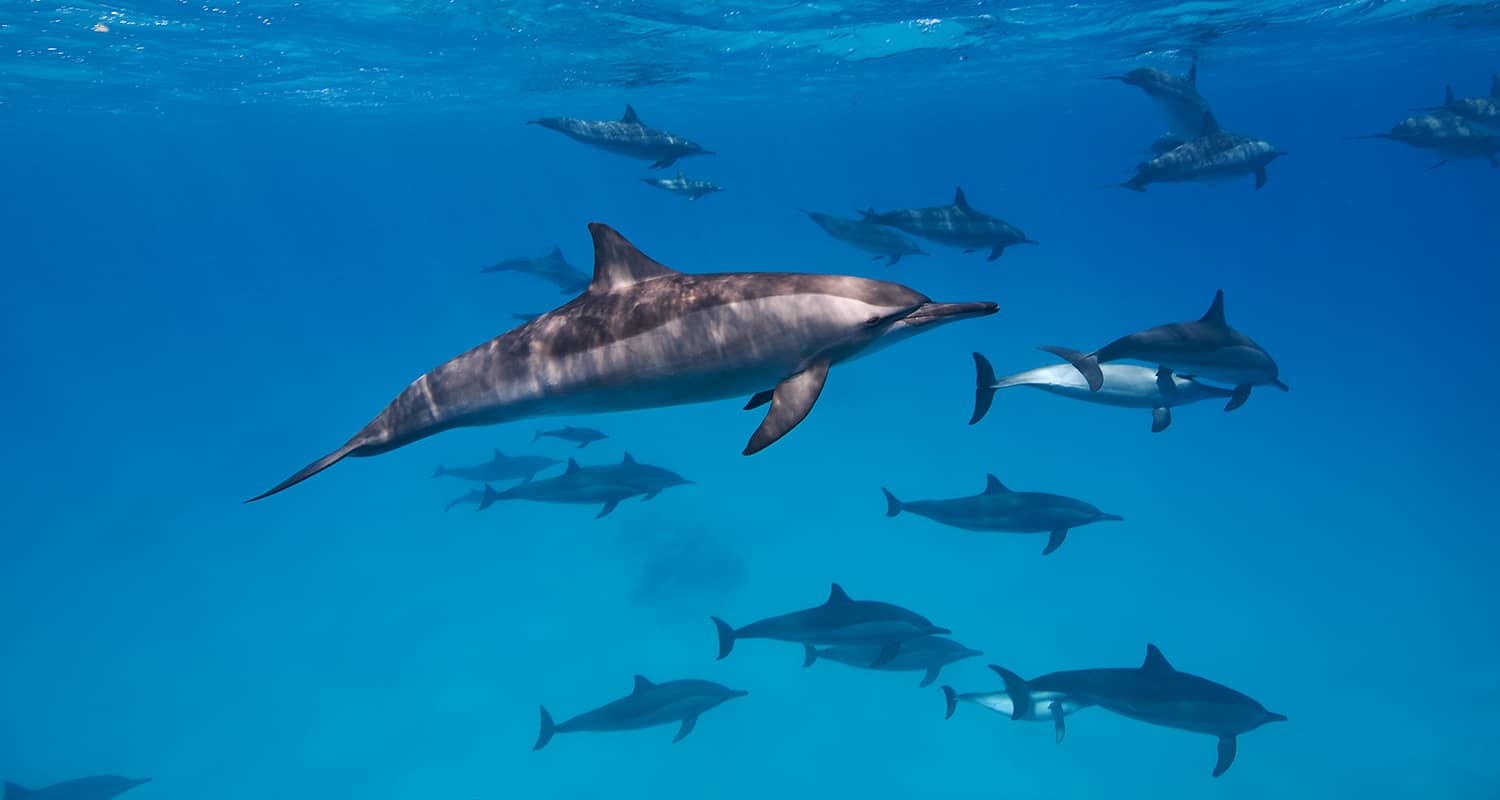
Dolphins in Sataya, Red Sea diving liveaboard

Special Full South route – Red Sea

Special Full South Red Sea
April 1 to 10, 2021 (10-day liveaboard)

The best RED SEA of the last years is waiting for you!

Can you imagine how amazing has to be the Brother Islands, Daedalus Reef, Sataya, Fury Shoal or St. Johns … after this few month without any divers and boats around?

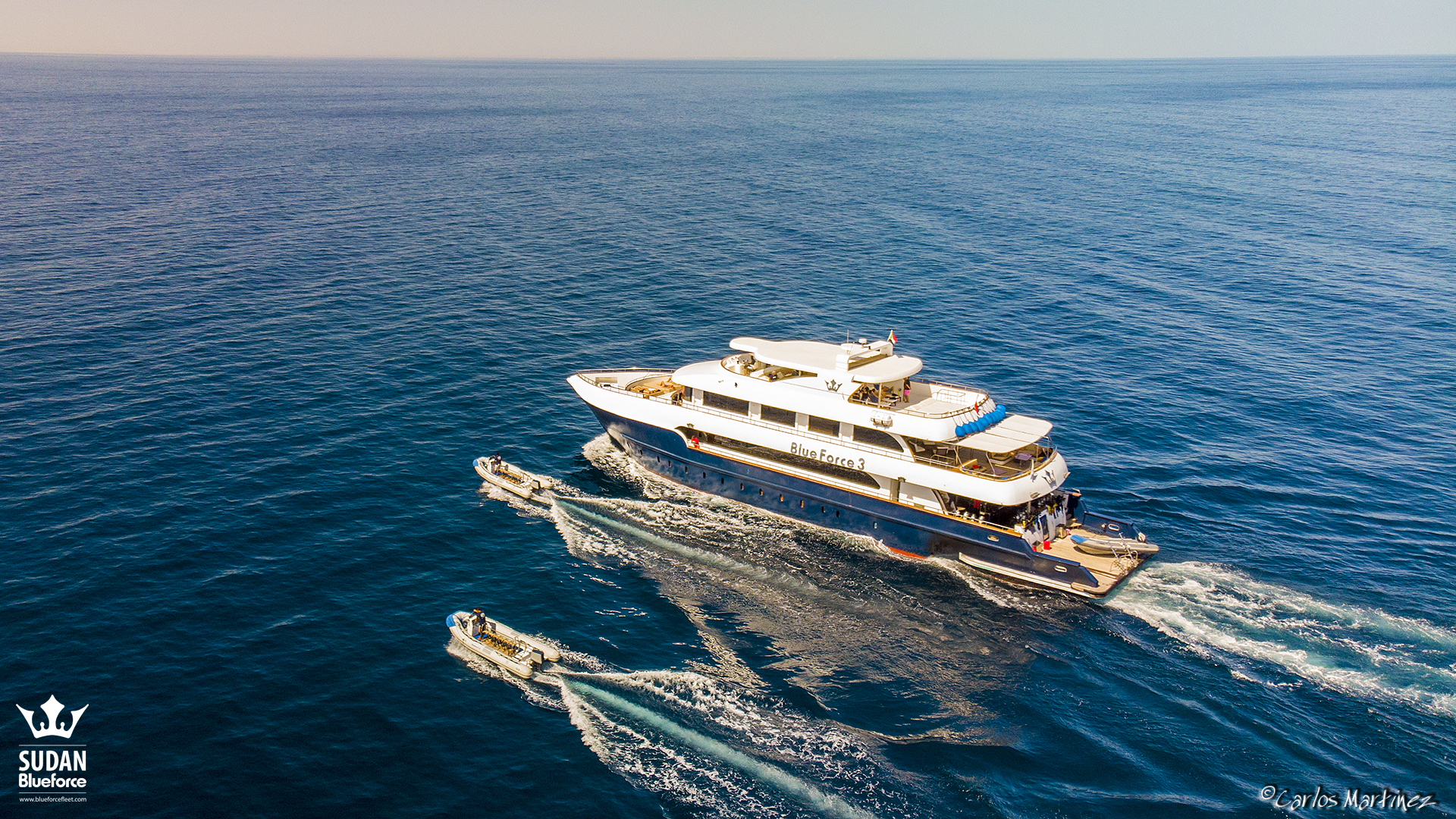
Discover it aboard the Red Sea BLUE FORCE 3

We are intensively working to meet all the official new protocols to prevent the COVID-19 and we have added some extra requirements for the common good of guests and staff onboard our vessels and of course for the sake of the diving travel industry. The most important one will be the added measure of a compulsory PCR test with negative result done no more than 5 days before embarking.

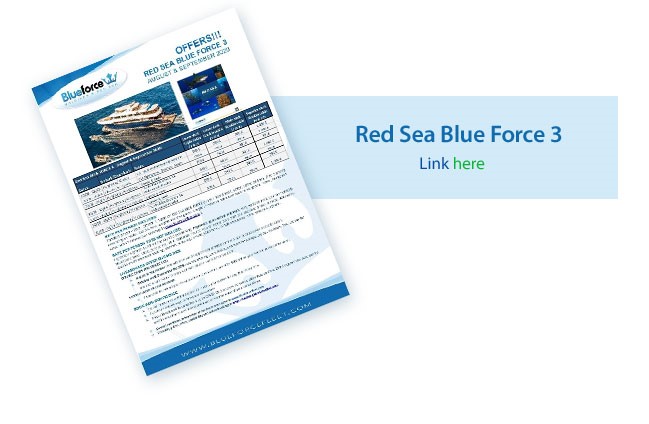
Red Sea Diving Special south route prices

RATE PER PERSON INCLUDES:
Transfers Hurghada airport – Boat – Hurghada/Marsa Alam airport. 10 nights on RED SEA BLUE FORCE 3 in full board basis, water,
coffee and tea. Dive planning on the special route (Brothers, Daedalus, Zabargad, Rocky, St. Johns, Fury Shoal…), S80 AIR tank, weights and
dive guide. Travel, diving and cancellation insurance (see coverage at www.blueforcefleet.com ).

RATE PER PERSON DOES NOT INCLUDE:
Flights to Egypt. Payments upon arrival onboard: Port, National Park, Environmental & Hyperbaric taxes: 190 €, Service Fee: 90 €.
Optional: Tourist Visa for Egypt & airport assistance: 25 €. Soft and alcoholic drinks. NITROX: 70 €. Available with advanced booking:
Internet, rental equipment, S100 tank….


OFFER! DOUBLE CABIN FOR SINGLE USE: You will only pay a supplement of 500 € for the single use in a double cabin.

Would you like to be there?
Visit our Egypt destination page
available

Offers & Schedule

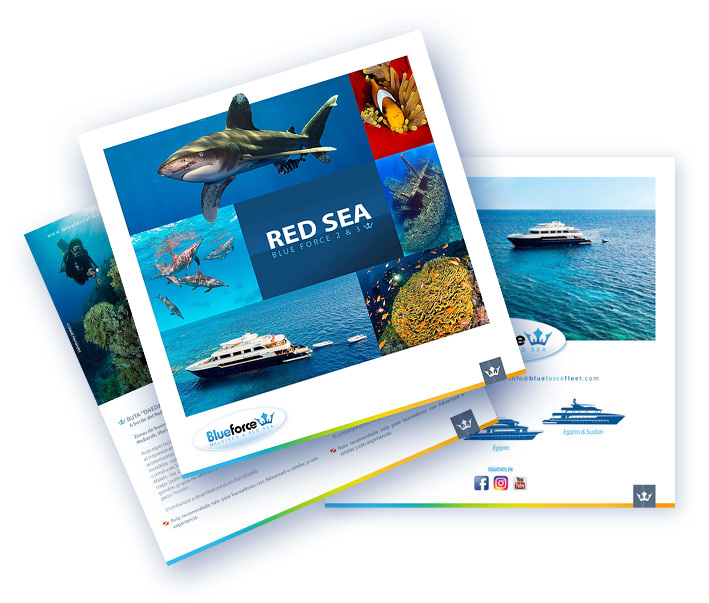
Brochure

maldives-whaleshark-night-best-maldives

The whale shark. Night of the Giants

Whale Sharks
Nights among Giants

A nightly swim with the biggest fish of the Planet

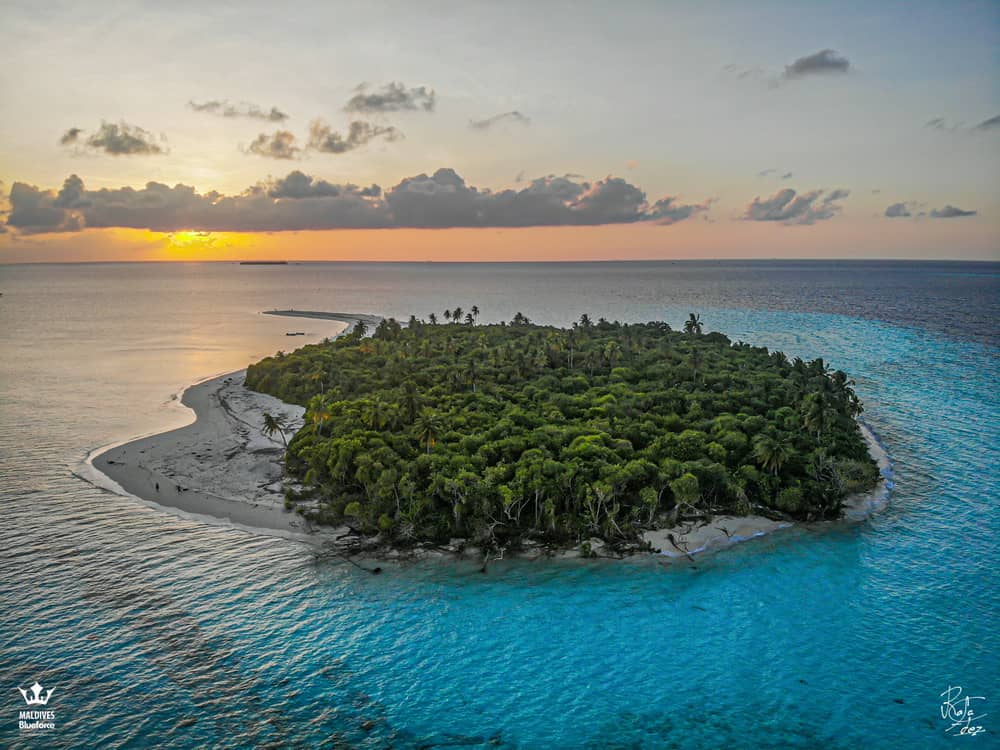
Those who have been to the wonderful Maldives islands will have been caught in the magic of its unforgettable landscapes, which makes us want to return to paradise again and again. No matter how many times we’ve been there… the Maldives will always have something to surprise us with!

Not even darkness can slow down the incessant rhythm of marine life on the islands. After a whole day enjoying unforgettable dives and beaches with white sand and palm trees, the best is yet to come… As night falls on Gaafu Atoll, the most awaited appointment arrives: the largest fish in the world, having dinner with us!

Whale shark in the back of the boat with a diver snorkeling

Whales Shark size

The whale shark (Rhincodon typus) is the largest of the elasmobranchs, reaching up to 18 meters in length and weighing around 11 tons. It has around 6,000 teeth, which are barely 2 mm long and appear to be vestigial. Whale sharks don’t use their teeth to capture prey, but instead they filter large amounts of water through specialized gills.

How do feed the Rhincodon typus?

maldives-whaleshark-night-best-maldives

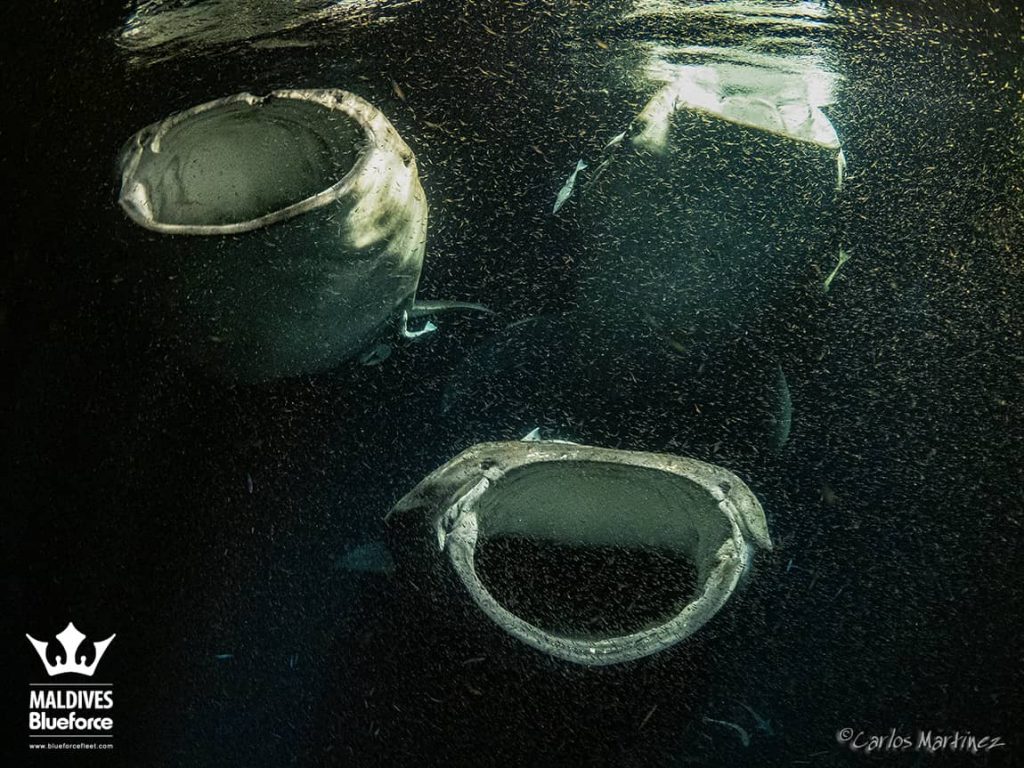
Despite being the largest fish in the ocean, it curiously feeds on the smallest food: plankton, made up of thousands of microscopic beings such as protozoa, tiny crustaceans, mollusks, worms, and fish larvae. And that is precisely what draws the whale shark to the stern of our beautiful vessel: the Blue Force One.

A few years ago, the local fishermen revealed their secret! While they used to fish for sardines and other species at night, using a great light as an attraction, they realized that somehow, they were attracting the giants of the ocean! At night, the light attracts plankton, which attracts the whale shark. But why does light attract plankton? Well … at night, zooplankton organisms, such as copepods, migrate vertically into shallow waters to feed on phytoplankton (microscopic algae). Since phytoplankton needs sunlight to grow, it’s concentrated in the first layers of water; and zooplankton organisms take advantage of the night feed they can’t be seen by their predators (small fish, for example). But when human introduces artificial light, Bam! Small fish can see the copepods and begin to eat them. Larger fish can also see these small fish and eat them, and eventually top predators can jump into action and enjoy a good feast. And that’s when our star of the night appears: the magnificent whale shark. Sometimes we can see up to 3 or 4 together.

tiburón ballena comiendo plancton

And how does the whale shark know that all that food is there?

Actually, how they locate the concentrations of prey is still a mystery. However, it’s believed that some type of chemical indicator dissolved in water can be detected by the highly developed olfactory lobes of the species. When zooplankton feeds on phytoplankton, releases a strong-smelling compound called dimethyl sulfide, which works as an indicator of the presence of food for certain species of birds and even sharks, such as the basking shark. So, it’s believed that this substance could also be the clue to get the whale shark to its food.

Another possible explanation would be by locating the movement and noise emitted by schools of small fish that are feeding on plankton. Sharks have been observed to follow these schools and feed behind or among them. But the truth is that they are all theories that have yet to be proven experimentally.

Whatever the causes that rule the habits and lives of these mysterious animals, it is a real privilege to be able to enjoy their majestic presence and observe them so closely. Few places in the world allow us to enjoy such close encounters in the best conditions. Those moments will remain in our brain forever and will be the object of our dreams … at least until we return to the Maldives!

Join us to make your dream come true!

When and how can I live this experience?

Onboard the Maldives Blue Force One, you can enjoy diving surrounded by these spectacular animals. Due to weather conditions, the best diving season in the South Hemisphere is from February till April. All the liveaboard safari routes that Blue Force Fleet, in the Maldives, offer this kind of encounter. Check the schedule of safaris and routes in SCHEDULE BLUE FORCE MALDIVES, all the additional information you need about this destination you will find it on the BLUE FORCE FLEET -MALDIVES website, as well as downloading the Brochure of Maldives Don’t dream about it, live it and book your liveaboard trip in the Maldives with Blue Force now!
Do you like to be there?
Visit our Maldives web site
available

You can share it !!